How to Build a Smart Automated Micro-Gardening Drip System for Balconies Under $25
Urban apartment living introduces distinct microclimate obstacles for indoor and balcony gardeners: extreme wind exposure, rapid soil moisture evaporation, strict rental plumbing limits, and zero outdoor tap attachments. Hand-watering frequently leads to root rot from over-saturation or foliage collapse from missed cycles during long workdays.
Standard retail smart garden systems retail for $150 to $300 and demand permanent municipal hose pressure. By leveraging standalone micro-irrigation engineering, you can build an enterprise-grade automated drip framework for under $25 that safeguards container vegetables, microgreens, and ornamental plants with mathematical precision.
---Table of Contents
1. Required Off-Grid Hardware & Bill of Materials
Every component listed below is available via major online retailers or hardware stores without proprietary vendor locks:
- Digital Micro Pump Controller: Integrated dual-dial timer pump with internal lithium-ion battery and USB-C charging ($12–$14).
- Distribution Tubing: 10 meters of 4/7mm (1/4-inch) flexible black vinyl or food-grade silicone pipe ($4).
- Emitters: 10 to 12 pressure-compensating micro-drip stakes (0–10 L/h adjustable flow) ($3).
- Fittings: 10 barbed T-connectors, 1 copper-weighted intake siphon filter, and 2 end plugs ($2).
- Water Reservoir: 15-to-20-liter opaque food-grade bucket or wide-mouth container ($2–$3).
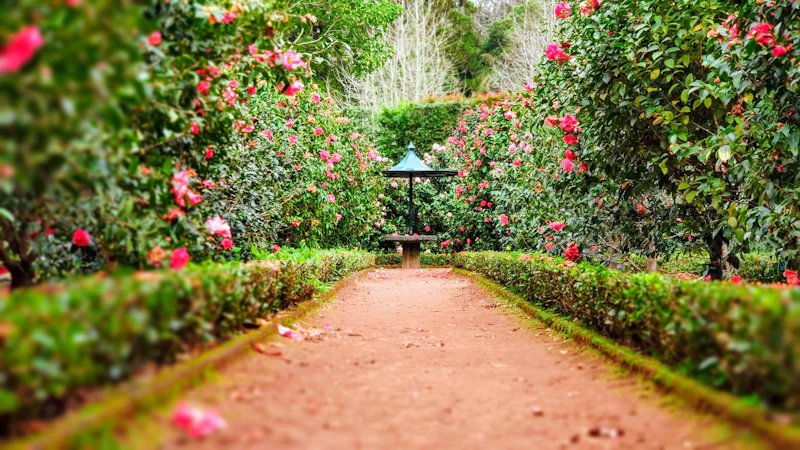
[Visual Verification 1: Urban Balcony Micro-Irrigation Layout]
Compact tubing distribution using isolated potted containers to eliminate water runoff.
2. Hydraulic Architecture & Hydrostatic Pressure Principles
Balcony micro-drip systems fail primarily due to two physical forces: gravity siphoning and line friction loss.
When your water reservoir sits higher than your drip emitters, liquid continues flowing even when the pump stops due to the siphon effect, flooding your balcony. Conversely, when the reservoir sits too low, tiny 5V pumps cannot overcome dynamic head loss across multiple emitters.
To eliminate these issues, install an inline anti-siphon check valve immediately downstream from the pump discharge port, or puncture an anti-siphon pinhole in the main supply loop inside the reservoir above the maximum water fill line.
---3. Step-by-Step System Assembly Blueprint
Step 1: Reservoir & Siphon Prep
Position your 20-liter opaque container in a shaded corner to prevent internal algae accumulation. Insert the copper-weighted mesh filter into the intake line to prevent silt from fouling pump gears.
Step 2: Main Trunk Line Routing
Route the 4/7mm silicone line along the perimeter of your railing or plant shelves. Fasten with UV-stabilized nylon cable ties. Avoid sharp 90-degree kinks; use barbed elbow or tee fittings for direction shifts.

[Visual Verification 2: Emitter Placement in Plant Root Zone]
Insert stakes 2 inches away from stem collars to ensure balanced capillary water spread.
Step 3: Emitter Insertion & Root Spacing
Slice the trunk line at each planter using clean shears. Insert a barbed T-fitting, drop a secondary line into the root zone, and press the adjustable drip stake 2 inches away from the plant stem. Terminate the final line segment with an end stopper.
Step 4: Power & Controller Mounting
Mount the digital controller above the reservoir rim using the back bracket. Connect the pump inlet to the reservoir feed and the outlet to your distribution trunk.

[Visual Verification 3: Automated Balanced Moisture Spread]
Consistent surface dampness without saturated puddling confirms hydraulic calibration.
4. Water Volume Calibration & Interval Scheduling
Container root zones require pulsing rather than flooding to ensure aeration. Use this mathematical baseline for setting your controller dial:
- Standard 8-inch Balcony Pots (Herbs/Greens): 150ml to 200ml per 24 hours.
- Large 14-inch Containers (Tomatoes/Peppers): 400ml to 500ml per 24 hours.
Set the controller to run for 40 seconds every 12 hours. Measure output with a measuring beaker placed under the final emitter on the line. Adjust individual emitter dials until each pot receives uniform volume regardless of distance from the pump.
---5. Micro-Drip Component Comparison Matrix
| Emitter Architecture | Flow Rate Range | Clog Resistance | Ideal Container Application |
|---|---|---|---|
| Pressure-Compensating (PC) Stakes | Fixed (2L/h or 4L/h) | Very High (Built-in diaphragm) | Deep pots, vertical wall plant racks |
| 8-Hole Micro-Stream Sprinklers | 0–40 L/h (Adjustable) | Moderate | Wide planters, microgreen seedling trays |
| Ceramic Porous Cones | Capillary demand-driven | High (Requires zero pumps) | Indoor ferns, sensitive moisture plants |
| Inline Micro Drippers | 2L/h fixed flow | High | Sequential rectangular vegetable boxes |
6. 25 Comprehensive Frequently Asked Questions
1. How long does a 20-liter reservoir sustain 10 balcony plants?
2. What prevents water from siphoning when the pump switches off?
3. Can this micro-irrigation system operate without an AC wall outlet?
4. Why are the emitters farthest from the pump delivering less water?
5. How do I prevent mosquito breeding in standing balcony reservoirs?
6. Can I add liquid organic fertilizers directly to the water reservoir?
7. What happens if the pump runs dry while I am traveling?
8. How do I clear mineral scale and salt deposits from clogged emitters?
9. Is clear vinyl tubing acceptable for distribution lines?
10. What is the optimal daily schedule for balcony automated watering?
11. Can this micro system handle different sized pots on the same line?
12. How do I soften stiff 4mm silicone tubing for easy fitting insertion?
13. What is the maximum lift height (head) for a 5V USB micro pump?
14. Can I use rainwater harvested from my balcony awning?
15. What are the best soil amendments to hold moisture under drip lines?
16. How do I protect the system from winter freezing conditions?
17. Will direct balcony sunlight degrade 4mm vinyl tubing?
18. Can this micro setup water microgreen trays without dislodging seeds?
19. How long does the internal lithium controller battery last per charge?
20. How do I detect underground soil channeling under a drip point?
21. Can I link this to Home Assistant or Apple HomeKit?
22. What prevents backflow into clean household water sources?
23. What is the maximum recommended total length for 4mm distribution pipe?
24. Can I calibrate different delivery rates for succulents and leafy herbs?
25. How do I test the system before leaving for vacation?
Long-Term Yield and Operational Reliability
Automating micro-gardening irrigation transitions container plant maintenance from a daily chore to a managed, closed-loop system. By delivering exact, low-volume hydration directly to root horizons, plants develop robust root architectures, eliminate nutrient runoff, and maintain peak health through extreme summer heats and travel windows alike.
About the Author
Written by Sethupathi S, workflow automation researcher and publisher at Gardening Forever Ever. Specializing in off-grid micro-irrigation systems, urban agricultural engineering, and biological efficiency protocols for compact spaces.


No comments:
Post a Comment