50 inspirational gardening quotes in famous persons

50 inspiration quotes in gardening 

1. "The love of gardening is a seed once sown that never dies." - Gertrude Jekyll

2. "In every gardener there is a child who believes in the seed fairy." - Robert Brault

3. "To plant a garden is to believe in tomorrow." - Audrey Hepbur

4. "Gardening adds years to your life and life to your years." - Unknown

5. "The best time to plant a tree was 20 years ago. The second best time is now." - Chinese Proverb

6. "A garden is a grand teacher. It teaches patience and careful watchfulness; it teaches industry and thrift; above all, it teaches entire trust." - Gertrude Jekyll

7. "Gardens are not made by singing 'Oh, how beautiful!' and sitting in the shade." - Rudyard Kipling

8. "A garden is a friend you can visit anytime." - Unknown
9. "Gardening is the purest of human pleasures." - Francis Bacon

10. "The glory of gardening: hands in the dirt, head in the sun, heart with nature. To nurture a garden is to feed not just the body, but the soul." - Alfred Austin

11. "To forget how to dig the earth and to tend the soil is to forget ourselves." - Mahatma Gandhi

12. "The kiss of the sun for pardon, the song of the birds for mirth, one is nearer God's heart in a garden than anywhere else on earth." - Dorothy Frances Gurney

13. "Gardening is about enjoying the smell of things growing in the soil, getting dirty without feeling guilty, and generally taking the time to soak up a little peace and serenity." - Lindley Karstens

14. "The garden suggests there might be a place where we can meet nature halfway." - Michael Pollan

15. "Gardening is an instrument of grace." - May Sarton
16. "The greatest gift of the garden is the restoration of the five senses." - Hanna Rion

17. "Gardeners, I think, dream bigger dreams than emperors." - Mary Cantwell

18. "Gardening is the art that uses flowers and plants as paint, and the soil and sky as canvas." - Elizabeth Murray

19. "A garden is always a series of losses set against a few triumphs, like life itself." - May Sarton

20. "Gardening is cheaper than therapy and you get tomatoes." - Unknown

21. "The garden is a love song, a duet between a human being and Mother Nature." - Jeff Cox

22. "Gardens are not just made by sitting in the shade." - Rudyard Kipling

23. "Garden as though you will live forever." - William Kent
24. "In the garden, every season has its own beauty, and every stage of life brings new possibilities." - Unknown

25. "Gardening is about enjoying the smell of things growing in the soil, getting dirty without feeling guilty, and generally taking the time to soak up a little peace and serenity." - Lindley Karstens

26. "Gardening is a way of showing that you believe in tomorrow." - Unknown

27. "To plant a garden is to believe in hope for the future." - Unknown

28. "Gardening is the art that uses flowers and plants as paint, and the soil and sky as canvas." - Elizabeth Murray

29. "A garden is a reflection of its gardener's soul." - Unknown

30. "The best fertilizer is the gardener's shadow." - Unknown
31. "Gardening is the slowest of the performing arts." - Unknown

32. "A garden is a little piece of heaven on Earth." - Unknown

33. "The garden is a sanctuary of peace, a retreat from the world's chaos." - Unknown

34. "Gardeners cultivate more than just plants; they cultivate the soul." - Unknown

35. "Gardening is not a hobby; it's a way of life." - Unknown

36. "A garden is a canvas where nature paints its own masterpiece." - Unknown

37. "In the garden, every season has its own beauty, and every stage of life brings new possibilities." - Unknown

38. "Gardening is an opportunity to be in harmony with nature." - Unknown

39. "A garden is a love song, a duet between a human being and Mother Nature." - Jeff Cox

40. "To plant a garden is to believe in tomorrow." - Audrey Hepburn
41. "A garden is a delight to the eye and a solace for the soul." - Saadi

42. "Gardening is the art that uses flowers and plants as paint, and the soil and sky as canvas." - Elizabeth Murray

43. "Gardens are not just made by sitting in the shade." - Rudyard Kipling

44. "Gardening is about enjoying the smell of things growing in the soil, getting dirty without feeling guilty, and generally taking the time to soak up a little peace and serenity." - Lindley Karstens

45. "The best time to plant a tree was 20 years ago. The second best time is now." - Chinese Proverb

46. "Gardeners, I think, dream bigger dreams than emperors." - Mary Cantwell

47. "A garden is always a series of losses set against a few triumphs, like life itself." - May Sarton

48. "Garden as though you will live forever." - William Kent

49. "In the garden, every season has its own beauty, and every stage of life brings new possibilities." - Unknown

50. "Gardening is cheaper than therapy and you get tomatoes." - Unknown

Famous 50 person quotes 

Terrace gardening tips: Growing tomato in 12 Easy steps

TERRACE GARDENING 

Terrace gardening, also known as rooftop gardening, is the practice of growing plants, vegetables, and sometimes even small trees on the terraces or rooftops of buildings. It is an excellent way to utilize urban spaces, promote greenery, and contribute to a sustainable environment.


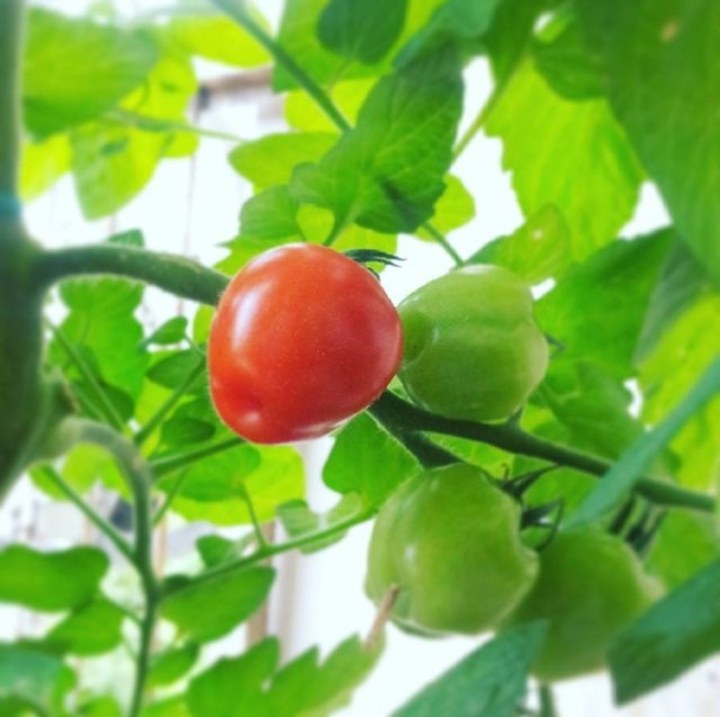
Tomato plants in botanical garden 

Tomato plants are a popular choice for terrace gardening due to their relatively easy cultivation and high productivity. Terrace gardening allows you to grow vegetables and plants in containers or raised beds on your terrace or balcony, making it a suitable option for urban dwellers or those with limited gardening space. Here are some tips for growing tomato plants in a terrace garden:7 gardening tips for beginners
1. Selecting the right containers: Choose large containers with good drainage holes to allow excess water to escape. 5-gallon pots or larger are ideal for growing tomatoes.

2.Choosing the tomato variety: There are many tomato varieties available, including determinate (bushy) and indeterminate (vining) types. Indeterminate varieties can produce fruit continuously, but they require staking or trellising for support.
3. Quality pot: Use a well-draining potting mix enriched with compost to provide the tomato plants with the necessary nutrients. Avoid using garden soil alone, as it can lead to drainage issues and may contain pests and diseases.
4. Sunlight:Tomatoes need plenty of sunlight to thrive. Ensure your terrace garden receives at least 6-8 hours of direct sunlight daily.

5. Watering: Consistent and adequate watering is essential for tomato plants. Check the soil regularly and water when the top inch of the soil feels dry. Avoid overwatering, as it can lead to root rot.
6. Supporting the plants:As mentioned earlier, indeterminate varieties will require support as they grow. Use stakes, cages, or trellises to keep the plants upright and prevent branches from breaking due to the weight of the fruits.

7. Pruning: Indeterminate varieties benefit from pruning to improve airflow and focus the plant's energy on fruit production. Remove suckers (the small shoots that form in the leaf axils) to encourage larger and healthier fruits.

8.Fertilizing:Feed your tomato plants with a balanced liquid fertilizer or organic fertilizer to ensure they have the nutrients they need for optimal growth

9. Pest and disease management: Keep an eye out for common tomato pests like aphids, whiteflies, and tomato hornworms. Use organic methods like neem oil or insecticidal soap to control pests. Also, be vigilant for signs of diseases like blight or wilt, and promptly address any issues to prevent the spread.

10. Harvesting:Once the tomatoes ripen, gently twist or cut them from the vine. Regularly harvesting ripe fruits will encourage the plant to continue producing more.

Remember that terrace gardening can be affected by environmental conditions, so pay attention to temperature fluctuations, winds, and other factors that may impact your tomato plants. With proper care and attention, you can enjoy a bountiful harvest of fresh, homegrown tomatoes right on your terrace.

Top 19 Best Plants for Terrace Gardening: Complete Guide (Soil, Care & 50 FAQs)

Urban Agriculture & Sustainable Living

Top 19 Best Plants for Terrace Gardening: Complete Beginner's Guide (Care, Soil & Yield)

Terrace gardening, commonly known as rooftop farming, is one of the most rewarding urban agricultural practices. It converts vacant concrete rooftops into lush, productive ecosystems that lower household temperatures, supply fresh chemical-free food, and combat urban heat island effects.

Whether you have a compact 100-square-foot balcony or a sprawling 1,000-square-foot open terrace, selecting the right plant species is the single most critical factor for container gardening success. Below is a detailed, field-tested guide to the Top 19 best terrace garden plants, categorized with their precise soil preferences, microclimate tolerances, and container care requirements.

Vibrant organic terrace garden setup with healthy vegetables and herbs growing in durable containers on a rooftop

Figure 1: Organic rooftop gardening maximizes urban vertical space while producing clean, nutrient-dense harvest.

At a Glance: Terrace Plant Compatibility & Sunlight Matrix

Plant Category Selected Varieties Minimum Pot Size Sunlight Requirement
Fruiting Vegetables Tomato, Bell Pepper, Chilli, Cucumber 12" - 15" Depth 6 - 8 Hours (Full Sun)
Leafy Greens Spinach, Lettuce, Mint, Coriander 6" - 8" Depth (Wide) 3 - 4 Hours (Partial Shade)
Root Crops Radish, Carrot, Beetroot 10" - 14" Depth 5 - 6 Hours (Direct Sun)
Aromatic Herbs Basil, Rosemary, Lavender, Chives 8" - 10" Depth 5 - 7 Hours (Warm Sun)
Container Fruits Strawberry, Dwarf Guava 8" (Strawberry) / 18"+ (Trees) 6 Hours (Moist & Sunny)

Detailed Profiles of the 19 Best Terrace Plants

1. Tomato (Solanum lycopersicum)

Tomatoes are the crown jewel of terrace gardens. They establish sturdy root networks in grow bags and provide prolific yields under intense sunlight.

  • Ideal Pot Size: 12x12 or 15x15 inch grow bag.
  • Soil Substrate: Well-draining, nutrient-rich potting soil enriched with vermicompost and a handful of bone meal.
  • Climate & Sun: Full sun (6 to 8 hours daily); ideal temperatures between 18°C and 30°C.
  • Watering Protocol: Deep, consistent watering at soil level; avoid splashing water on leaves to prevent fungal blight.
Ripening organic red cluster tomatoes growing on a staked plant in a terrace grow bag

2. Sweet Basil (Ocimum basilicum)

Basil is an essential aromatic culinary herb that acts as a natural pest repellent when intercropped with fruiting nightshades.

  • Ideal Pot Size: 8 to 10-inch clay or plastic pot.
  • Soil Substrate: Light, well-draining loamy mix with neutral pH (6.0 to 7.0).
  • Sunlight Needs: 4 to 6 hours of bright morning sun.
  • Maintenance: Pinch growing terminal tips regularly to encourage dense, bushy foliage and prevent early flowering.
Lush green sweet basil leaves growing compactly in a rooftop herb container

3. Garden Mint (Mentha spp.)

Mint is an aggressive, fast-growing herb. Its root rhizomes expand horizontally, making it one of the easiest balcony crops to cultivate.

  • Ideal Pot Size: Wide, shallow rectangular planters (6 to 8 inches deep).
  • Key Rule: Never plant mint in a shared pot with other vegetables, as its root runners quickly choke out neighboring plants.
  • Watering: Prefers consistently moist soil; tolerates partial shade conditions.
Fresh vibrant mint leaves spreading densely in a shallow rooftop planter tray

4. Spinach (Spinacia oleracea)

Spinach is a nutrient-dense leafy green that thrives in shallow pots. It delivers successive harvests throughout cool weather.

  • Ideal Pot Size: 6 to 9 inches deep with a broad surface area.
  • Soil Substrate: 40% compost, 40% cocopeat, and 20% soil for maximum nitrogen absorption.
  • Harvesting Method: Harvest outer leaves continuously using clean garden shears; the inner core will regenerate new leaves.
Broad organic spinach leaves ready for harvest in a rooftop raised container

5. Chives (Allium schoenoprasum)

Chives are low-maintenance perennial alliums that offer delicate onion flavor and attractive lavender blossoms that draw helpful pollinators.

  • Ideal Pot Size: 8-inch pot.
  • Sunlight: Partial to full sun (4 to 5 hours).
  • Care: Cut back to 1 inch above soil level when harvesting; chives rapidly re-sprout year-round.
Healthy green chive blades standing tall in a rooftop ceramic garden pot

6. Bell Peppers / Capsicum (Capsicum annuum)

Bell peppers provide colourful, crisp fruit in warm terrace microclimates. They require balanced nutrition to prevent premature flower drop.

  • Ideal Pot Size: 12x12 inch grow bag minimum.
  • Sunlight: 6 to 8 hours of uninterrupted sunlight.
  • Pro Tip: Add bone meal or crushed eggshells during planting to provide calcium and prevent blossom end rot.
Glossy green bell pepper developing on a healthy container-grown pepper plant

7. Strawberries (Fragaria x ananassa)

Strawberries produce high fruit yields in hanging baskets and strawberry towers, keeping fruit clean and off damp soil surfaces.

  • Ideal Pot Size: 8-inch depth or vertical pocket planters.
  • Soil Substrate: Slightly acidic (pH 5.5 to 6.5) with rich pine bark mulch or leaf mold.
  • Care Tip: Mulch around crowns with dry straw to prevent moisture-induced fruit decay.
Fresh bright red strawberry fruit hanging off container foliage on a sunny terrace

8. Rosemary (Rosmarinus officinalis)

Rosemary is a drought-tolerant Mediterranean woody perennial that handles the intense, dry rooftop heat of summer months.

  • Ideal Pot Size: 10 to 12-inch terracotta container for root aeration.
  • Soil Substrate: Sandy, gravelly, fast-draining potting mix.
  • Watering Protocol: Allow the top 2 inches of soil to dry completely between waterings; avoid overwatering at all costs.
Dense needle-like aromatic rosemary foliage thriving in an outdoor terrace pot

9. Lavender (Lavandula spp.)

Lavender provides calming fragrance, silver-grey aesthetic foliage, and floral nectar that attracts honeybees to your terrace.

  • Soil Substrate: Alkaline to neutral gritty soil with coarse sand or perlite.
  • Ventilation: Requires open air circulation; avoid clustering too closely against walls.
Fragrant purple lavender blooms growing in a terracotta pot under full sunlight

10. Radishes (Raphanus sativus)

Radishes are the fastest-growing root crop for beginners, reaching harvest maturity within 25 to 35 days from direct seed sowing.

  • Ideal Pot Size: 8 to 10-inch deep wide trough or rectangular container.
  • Soil Substrate: Soft, stone-free loose potting soil to allow uniform bulb expansion.
Crisp round red radishes harvested fresh with green tops from rooftop soil mix

11. Carrots (Daucus carota)

Carrots develop sweet, crunchy taproots in deep containers free from heavy rocks or compacted soil.

  • Ideal Pot Size: 12 to 15-inch depth grow bags.
  • Soil Substrate: 50% sand/cocopeat mixed with 30% soil and 20% compost.
  • Care: Thin seedlings to 3 inches apart early to allow proper taproot thickening.
Bunch of freshly pulled orange carrots with healthy green leaves from deep container soil

12. Lettuce (Lactuca sativa)

Lettuce grows quickly in cooler seasons, producing crisp salad leaves that can be harvested leaf-by-leaf as needed.

  • Ideal Pot Size: 6-inch shallow trays or vertical towers.
  • Sunlight: 3 to 4 hours of morning sun; protect from strong afternoon heat to avoid leaf bitterness and bolting.
Crisp fresh green head of lettuce growing in a shallow terrace container

13. Green Chillies (Capsicum frutescens)

Chillies are heavy producers in rooftop gardens, handling heat and high sunlight with minimal water maintenance once established.

  • Ideal Pot Size: 12x12 inch grow bag.
  • Feeding: Apply sour buttermilk or diluted wood ash liquid monthly to boost flowering and pungency.

14. Coriander / Cilantro (Coriandrum sativum)

Coriander is a kitchen essential with shallow roots that thrives in porous soil and partial morning sunlight.

  • Growing Tip: Split whole coriander seeds into halves before soaking for 12 hours to accelerate germination.

15. Eggplant / Brinjal (Solanum melongena)

Eggplants thrive in hot climates, producing heavy fruit in large containers when given balanced organic feeding.

  • Ideal Pot Size: 14 to 16-inch container with strong bamboo staking.

16. Cucumbers (Cucumis sativus)

Cucumbers yield heavy harvests when trained vertically along bamboo trellises or terrace safety railings.

  • Vertical Training: Vertical growth prevents fruit rotting and maximizes floor space.

17. Marigold (Tagetes spp.)

Marigolds are vital companion plants for any rooftop garden. Their root secretions repel harmful nematodes, while their bright blooms draw beneficial pollinators.

18. Bush Green Beans (Phaseolus vulgaris)

Bush green beans fix atmospheric nitrogen into the potting soil, improving nutrient levels naturally without synthetic chemicals.

19. Dwarf Meyer Lemon (Citrus x meyeri)

Dwarf Meyer Lemons thrive in 18 to 24-inch drums on rooftops, producing aromatic blossoms and juicy, thin-skinned citrus fruit throughout the year.

Google Search & Snippet Optimization

Frequently Asked Questions (50 Terrace Gardening FAQs)

Clear, practical answers covering soil formulas, pest eradication, watering methods, and structural safety on residential roofs.

1. What are the easiest vegetables for beginners on a terrace?

Tomatoes, spinach, radishes, and chillies are the easiest vegetables for beginners due to their high resilience and fast yield.

2. What is the ideal soil mix ratio for terrace gardening pots?

The golden ratio is 40% garden soil or red soil, 30% cocopeat for moisture retention, and 30% organic compost like vermicompost or cow dung manure.

3. How often should I water terrace garden plants in summer?

Water twice daily during peak summer—early morning before 8 AM and late evening after 5 PM. Never water under scorching afternoon sun.

4. What grow bag size is best for tomato and chilli plants?

A grow bag of 12x12 inches or 15x15 inches is ideal for single tomato, chilli, or brinjal plants to support strong root systems.

5. How to prevent water leakage on the terrace roof from gardening?

Apply a waterproof polymer coating on the roof slab, place all pots on elevated metal or plastic pot stands, and ensure adequate slope toward drainage holes.

6. Can I grow fruit plants on a rooftop terrace?

Yes, dwarf fruit varieties like guava, pomegranate, lemons, and strawberries grow exceptionally well in 18x18 to 24x24 inch containers.

7. How do I naturally control pests on terrace vegetables?

Spray a mixture of 5 ml pure cold-pressed neem oil and 2 ml organic liquid soap diluted in 1 litre of water once every 10 days.

8. How many hours of sunlight are required for terrace vegetables?

Most fruiting vegetables require 6 to 8 hours of direct sunlight, while leafy greens like spinach and mint thrive in 3 to 4 hours of partial sunlight.

9. What is the best natural fertilizer for container plants?

Vermicompost, decomposed cow dung manure, bone meal, seaweed liquid fertilizer, and mustard cake tea are excellent organic nutrients.

10. Is cocopeat necessary for terrace gardening?

Yes, cocopeat is essential because it is ultra-lightweight, reduces roof load, and retains moisture efficiently in hot rooftop weather.

11. Why are my tomato leaves turning yellow on the terrace?

Yellow leaves typically indicate overwatering, poor pot drainage, or nitrogen deficiency. Check soil moisture before watering.

12. How deep do carrot roots grow in container gardening?

Carrots require containers with a minimum depth of 10 to 12 inches with loose, stone-free sandy loam soil to grow straight roots.

13. Can mint be grown along with other plants in the same pot?

No, mint has aggressive invasive roots that spread rapidly and choke other plants. Always grow mint in a dedicated separate container.

14. How to protect terrace plants from intense summer heatwaves?

Install a 50% green agro-shade net over the terrace, apply organic dry leaf mulching on pot surfaces, and group pots together to retain humidity.

15. What causes flower drop in chilli and tomato plants?

Extreme temperature fluctuations, dry soil conditions during flowering, or calcium and boron deficiencies cause flower drop.

16. How do I attract pollinators like bees to my rooftop garden?

Intercrop companion flowering plants like marigolds, sunflowers, cosmos, and sweet basil alongside your vegetable pots.

17. How often should container soil be replenished with compost?

Add 2 to 3 handfuls of fresh vermicompost or compost to the top layer of each container once every 15 to 20 days.

18. Are plastic pots better than clay pots for terrace gardening?

HDPE grow bags and plastic pots are lightweight and durable. However, breathable fabric grow bags are the best for root aeration.

19. How fast do radishes grow from seed on a terrace?

Radishes are one of the fastest crops, ready for harvest within just 25 to 35 days from seed sowing.

20. Can we grow leafy greens during monsoon season?

Yes, but ensure containers have extra drainage holes and place them under a rain shelter to avoid leaf fungal rot and waterlogging.

21. What is the best companion plant for tomatoes?

Basil and marigolds are top companion plants. Basil enhances flavor and deters pests, while marigolds repel soil-borne nematodes.

22. How to solve root-knot nematode problems organically?

Mix neem cake powder (50g per pot) into the soil mix and cultivate French marigolds whose roots secrete natural nematicidal compounds.

23. Is rainwater good for terrace garden plants?

Rainwater is pure, free from chlorine/fluoride, and naturally rich in atmospheric nitrogen, making it superior to municipal tap water.

24. What pot size is needed for growing ginger and turmeric?

Use broad, shallow pots or rectangular grow bags with a depth of 10 to 12 inches and width of at least 15 to 20 inches.

25. How to make liquid organic fertilizer at home?

Ferment banana peels, onion skins, and sour buttermilk in water for 48 hours to create a nutrient-rich organic foliar liquid fertilizer.

26. Why are my bell peppers small and thin-walled?

Insufficient sunlight (under 6 hours), lack of phosphorus/potassium, or inconsistent moisture levels during fruit setting causes stunted peppers.

27. Can strawberries be grown in tropical climates on a terrace?

Yes, day-neutral strawberry varieties grow successfully in containers during cooler winter months in tropical regions.

28. How to prune rosemary and lavender plants in pots?

Prune lightly after the main flowering flush, cutting tender green tips. Never cut back into the old woody base.

29. What is the weight limit a residential terrace roof can handle?

Standard concrete RCC roofs safely carry 150 to 200 kg per square meter. Using cocopeat and lightweight grow bags minimizes structural stress.

30. How to prevent soil erosion from heavy rain in grow bags?

Cover the topsoil with 1 to 2 inches of organic mulch like dry leaves, sugarcane bagasse, or coconut coir chips.

31. What causes black spots on tomato bottoms?

This is Blossom End Rot caused by calcium deficiency and irregular watering. Add crushed eggshell powder or agricultural lime to the soil.

32. How to grow perennial flowering plants on a terrace?

Choose hardy varieties like Hibiscus, Bougainvillea, and Jasmine in 14-inch pots with full-day sunlight and monthly organic feeding.

33. How to harvest spinach for continuous regrowth?

Use the cut-and-come-again method: trim outer mature leaves 1 inch above soil level, leaving central young leaves to continue growing.

34. Can succulent and herb plants be grown in the same potting soil?

No, herbs need moisture-retentive nutrient soil, whereas succulents require gritty, fast-draining sand-based soil with minimal organic matter.

35. How to identify healthy seeds before sowing?

Place seeds in a glass of water for 15 minutes; viable seeds sink to the bottom, while dead or hollow seeds float on top.

36. What is pinching in flowering and herb plants?

Pinching is removing the terminal top growing tip of a stem to stimulate lateral side branching, producing a bushier plant.

37. How do earthworms survive in terrace garden pots?

Earthworms survive well if soil is kept cool and moist with organic mulching; avoid harsh chemical fertilizers which kill them.

38. What is the best organic fungicide for rooftop plants?

Diluted sour buttermilk (1:10 ratio with water) or copper-based Bordeaux mixture effectively suppresses fungal leaf blights and powdery mildew.

39. Why do cucumber plants produce only male flowers initially?

Cucurbit vines naturally produce male flowers first to attract pollinators before female flowers with miniature fruit buds appear.

40. How to manage high terrace wind pressure on tall plants?

Stake tall plants with bamboo stakes, place taller containers against terrace parapet walls, or install windbreak shade nets.

41. Can greywater from kitchen sinks be used for terrace plants?

Rinsed water from washed vegetables and boiled rice (unsalted and cooled) is great. Avoid water containing chemical dish soaps or detergents.

42. How to grow coriander successfully without bolt to seed?

Split coriander seeds gently into halves before sowing, provide 4 hours of morning sun, and avoid severe summer heat which causes early bolting.

43. What is the role of bone meal in terrace gardening?

Bone meal is a slow-release organic source of phosphorus and calcium, vital for robust root development and abundant flowering.

44. How to naturally disinfect old potting soil before reuse?

Solarize the soil: spread it over a clear tarp under direct hot sunlight for 7 to 10 days to destroy pathogens, weed seeds, and pest eggs.

45. Why do indoor potted plants die when shifted to a terrace?

Direct sun shock and low humidity cause severe leaf scorch. Always harden plants off by placing them in partial shade for 7 days first.

46. What are microgreens and can they be grown on rooftops?

Microgreens are tender young greens harvested at 10-14 days. They grow in shallow trays in bright, shaded terrace areas with minimal soil.

47. How to prevent ants from building nests in grow bags?

Sprinkle organic cinnamon powder, turmeric, or food-grade diatomaceous earth around container bases and plant stands.

48. How to protect terracotta clay pots from cracking on terraces?

Elevate them on stands to avoid direct heat transfer from roof concrete, and avoid filling dry hot pots with ice-cold water.

49. What is the best natural source of potassium for fruiting pots?

Wood ash (in minimal amounts) and steeped organic banana peel liquid provide fast-acting, bio-available potassium for fruit sizing.

50. How many vegetables can a 500 sq ft terrace garden produce?

With 40-50 well-managed containers, vertical trellises, and crop rotation, a 500 sq ft terrace can supply 60-70% of a family's weekly vegetables.

Curated by Gardening Forever Ever • Sustainable Container Gardening & Urban Horticulture Guide.

Cheap DIY Aquaponics for Balcony: Beginners How to Build Aquaponics System for Balcony Step by Step Guide

Cheap DIY Aquaponics for Balcony: Beginner Step-by-Step Guide

Cheap DIY Aquaponics for Balcony: Beginners How to Build Aquaponics System for Balcony Step by Step Guide

Urban gardening often runs into two rigid limitations: lack of horizontal ground and the sheer weight of conventional, soil-filled planters. Aquaponics combines recirculating aquaculture with hydroponic plant cultivation into one closed-loop cycle. In this closed ecosystem, fish waste provides organic nutrient broth for vegetation, while beneficial bacteria break down raw ammonia into usable plant food, returning purified water back to the aquatic reservoir.

Building a balcony-scale system does not require commercial fiberglass basins or costly digital controllers. Using standard food-grade storage containers, simple PVC plumbing, and an entry-level fountain pump, you can set up a low-cost, high-yield system in less than two square meters of apartment space.

Key Agricultural Engineering Principle: Biological filtration stability depends on the ratio of water volume to plant bed volume. For small-scale balcony systems, maintain a 1:1 volume ratio between the fish tank and the grow bed to prevent toxic ammonia spikes.

System Architecture & Water Recirculation Diagram

The system operates under a gravity-assisted flood-and-drain loop. A submersible water pump in the lower fish tank pushes water upward into the upper media-filled grow bed. A basic mechanical bell siphon or continuous-flow standpipe drains the water back once it reaches root level, aerating the fish tank on return.

+-------------------------------------------------------------+ | GROW BED (Media Bed) | | [Expanded Clay Pebbles / LECA - Vegetables & Root Zone] | | | | (Water Level) ~ ~ ~ ~ ~ ~ ~ ~ ~ ~ ~ ~ ~ ~ ~ ~ | | +-------------------------------------------+ | | | BELL SIPHON | | +------|------------------|------------------------|----------+ | | ^ | Clean Water Return | Pumped Water | (Aerated by fall) | v | +--------------------------------------------------|----------+ | FISH TANK | | | | | | (Water) ~ ~ ~ ~ ~ ~ ~ ~ ~ ~ ~ ~ ~ ~ ~ ~ ~ | | | | | | [Fish: Tilapia / Goldfish] | | | +------------+-----+ | | | Submersible Pump | | +-------------------------------------+------------------+----+
DIY compact balcony aquaponics system setup with media bed over fish tank
Figure 1: A dual-container vertical stack setup ideal for narrow apartment balconies.

Balcony Structural Engineering: Weight, Load & Spatial Safety

Before buying tanks or drilling PVC pipes, balcony load capacity must be determined. Water is dense: 1 liter of fresh water weighs exactly 1 kilogram (approx. 8.34 lbs per gallon). Standard residential cantilever balconies are engineered to bear a uniform live load between 1.5 kN/m² to 2.5 kN/m² (approximately 150 to 250 kg per square meter).

Crucial Safety Check: Never position a full 200-liter drum at the far edge or cantilevered tip of a suspended balcony slab. Always place your system against the load-bearing exterior wall of the building to transfer shear weight directly to structural columns.
  • Weight Distribution: Mount the setup on a wide plywood base or heavy-duty square framing to distribute point loads across multiple floor joists.
  • Media Selection: Avoid river gravel or quarry stone. Gravel weighs approximately 1.5 to 1.8 kg per liter. Expanded clay pebbles (LECA) weigh roughly 0.4 to 0.5 kg per liter, reducing structural stress by more than 65%.
  • Wind Exposure: High-rise balconies experience elevated wind shear. Keep grow beds low to the floor (below balcony railing height) to prevent trellised tomatoes or peppers from acting as sails.
  • Direct Sunlight & Algae Control: Ensure the lower fish container is completely opaque. Transparent plastic tubs trigger rampant green algae growth, which crashes dissolved oxygen levels overnight.

Bill of Materials & Cost Breakdown

Below is a realistic price index for building an entry-level, 60-liter balcony aquaponic unit using off-the-shelf components.

Component Specification / Material Estimated Cost (INR) Estimated Cost (USD)
Fish Reservoir 60–80 Liter Food-Grade Opaque Plastic Tub ₹450 – ₹700 $6 – $9
Plant Grow Bed 40–50 Liter Shallow Heavy-Duty Basin (25cm depth) ₹350 – ₹550 $5 – $7
Submersible Pump 18W–25W Submersible Fountain Pump (800 L/hr) ₹550 – ₹850 $7 – $11
Plumbing & Siphon 1/2" PVC pipe, fittings, bulkhead connector, bell siphon shroud ₹300 – ₹450 $4 – $6
Growing Substrate Expanded Clay Aggregate (LECA) - 25 Liters ₹600 – ₹900 $8 – $12
Tubing & Aeration Flexible silicone hose + basic dual-outlet air pump ₹350 – ₹500 $5 – $7
Initial Stock Fingerlings (Tilapia/Goldfish) + Seeds (Spinach/Mint) ₹200 – ₹350 $3 – $5
Total Budget Complete Functional System ₹2,800 – ₹4,300 $38 – $57

Step-by-Step Construction Guide

  1. Prepare the Containers: Wash both food-grade containers thoroughly with clean water and potassium permanganate or mild salt water. Avoid household chemical detergents that leave residual surfactants lethal to fish gills.
  2. Install the Drain Fitting: Drill a 25mm hole at the lowest point of the upper grow bed container. Fit a threaded bulkhead with EPDM rubber washers to ensure a leak-proof seal. Run a standpipe through this bulkhead to establish the maximum water level (typically 5 cm below the media surface).
  3. Assemble the Bell Siphon (Optional for Auto-Drain): If using a flood-and-drain system, slot a 50mm PVC cap-topped pipe over the standpipe with small water inlet notches cut at the base. This automatically triggers siphon drainage once the bed fills, pulling fresh atmospheric air deep into root pockets.
  4. Charge the Media Bed: Rinse your LECA clay pebbles in a mesh basket to flush away production dust before pouring them into the upper container. Fill to a uniform depth of 20 to 25 cm.
  5. Plumb the Return Loop: Position the submersible pump in the opposite corner of the lower fish tank. Connect food-grade vinyl tubing up to the grow bed, installing a simple ball valve to fine-tune water flow.
  6. Cycle the Biofilter Before Adding Fish: Run the filled system with dechlorinated tap water for 10 to 14 days without fish. Add a small pinch of organic fish food to decompose into ammonia, allowing nitrifying bacterial colonies (Nitrosomonas and Nitrobacter) to seed the clay media.
LECA expanded clay pebbles used as biofilter media in balcony grow bed
Figure 2: Expanded clay pebbles (LECA) host millions of beneficial nitrifying bacteria.

Fish and Crop Compatibility Matrix

In a small balcony system, choose species that tolerate temperature swings and high stocking densities. The table below outlines beginner-friendly pairings.

Fish Species Optimal pH Range Temp Tolerance Recommended Plant Pairings
Goldfish / Comets (Ornamental) 7.2 – 7.6 15°C – 28°C Lettuce, Mint, Basil, Coriander, Water Spinach
Nile / Red Tilapia (Edible) 6.8 – 7.5 22°C – 32°C Spinach, Cherry Tomatoes, Chilli, Bok Choy
Guppies / Mollies (Mosquito control) 7.0 – 7.8 20°C – 29°C Microgreens, Wheatgrass, Pothos, Culinary Herbs

Managing Critical Balcony Challenges

  • Preventing Mosquito Breeding: Standing water in warm weather inevitably attracts mosquitoes. Maintain continuous surface agitation using the water pump return outlet or stock small surface-feeding fish like guppies, which consume mosquito larvae on sight.
  • Water Evaporation in Warm Climates: Balconies dry out quickly in direct sun and wind. Top off water weekly with dechlorinated water. Never add straight, chlorinated tap water directly into the fish reservoir; chlorine destroys the bacterial biofilter instantly.
  • Nutrient Deficiencies: Fish waste lacks sufficient Iron (Fe), Potassium (K), and Calcium (Ca) for flowering crops. Supplement monthly with chelated iron (Fe-EDDHA or Fe-DTPA) and calcium carbonate or potassium bicarbonate to keep leaves deep green and stems strong.

For more foundational soil-building and irrigation concepts, check our companion guides on sustainable urban gardening setups and low-cost organic garden management.

10 Frequently Asked Questions (SEO & Troubleshooting Guide)

1. Can an apartment balcony handle the total weight of an aquaponic system?
Yes, provided you size the system correctly and place it near structural walls. A 60-liter fish tank paired with a 40-liter LECA bed exerts an all-inclusive operating weight of around 90–105 kg. This is well within standard residential safety limits (typically rated for 150–250 kg/m²).
2. How do I stop mosquitoes from breeding in the balcony fish tank?
Keep water moving continuously using pump aeration or an air stone. Introducing small surface feeders like guppies or mosquito fish (Gambusia) will clear any larvae immediately, eliminating standing water risks without pesticides.
3. What happens if there is a power cut on my balcony?
LECA clay holds residual moisture around plant roots for 12 to 24 hours. However, dissolved oxygen in the fish tank can drop within 3 to 4 hours in warm weather. For areas with frequent blackouts, install a cheap, battery-backup USB aquarium aerator that switches on automatically when mains power drops.
4. Which fish are easiest for beginners on an apartment balcony?
Hardy goldfish (like Comet or Common goldfish) are the easiest non-edible option because they tolerate broad water temperature swings and generate ample waste. For an edible harvest in tropical or warm climates, Nile Tilapia are resilient, fast-growing, and disease-resistant.
5. Do I need to clean fish poop out of the gravel bed?
No. In a balanced setup, beneficial bacteria and microscopic worms break down solid fish wastes into bioavailable mineral salts. The grow bed serves as both a biological engine and a self-cleaning mechanical filter.
6. Can I grow tomatoes and peppers in a small balcony system?
Yes, but fruiting plants require high nutrient concentrations and full sun (5 to 6 hours daily). Beginners should start with low-demand leafy greens (mint, lettuce, spinach, basil). Once the system has matured for 3 to 4 months, introduce cherry tomatoes or chillies alongside a chelated iron supplement.
7. How often do I need to change the system water?
You never dump or replace the entire volume of water. Aquaponics recirculates water continuously; you only add top-up water (typically 5% to 10% weekly) to replace losses from plant transpiration and surface evaporation.
8. What is the optimal water pH level for balcony aquaponics?
Target an optimal compromise range of 6.8 to 7.2. Fish generally prefer 6.5 to 8.0, plants absorb nutrients best between 6.0 and 6.5, and nitrifying bacteria perform most efficiently above 7.0. A neutral pH of 7.0 keeps all three biological elements healthy.
9. Will the system smell bad on a residential balcony?
A healthy aquaponics system produces no foul odor; it carries a clean, earthy smell like rich forest soil or a clean river. A foul sewer or sulfur odor indicates anaerobic dead spots, usually caused by severe overfeeding or poor aeration.
10. How much electricity does an 18W balcony aquaponics pump consume?
Running an 18-watt pump continuously for 24 hours consumes approximately 0.43 kWh (units) per day, which equates to roughly 13 kWh per month. In most residential tariffs, this adds less than ₹80 to ₹120 ($1 to $1.50) to your monthly electricity bill.
About the Author

Written by an Agricultural Engineer specializing in closed-loop urban micro-farming and soil conservation systems. Dedicated to helping apartment growers build resource-efficient, low-cost domestic food networks using foundational engineering principles.

12 Essential Gardening Tips for Beginners: Build Living Soil, Smart Drip Irrigation & Avoid Common Mistakes

Google AI Overview & Featured Snippet Summary

What Are the Core Fundamentals of Home & Terrace Gardening for Beginners?

Home gardening for beginners succeeds by mastering five fundamental pillars: (1) Light Allocation by mapping 6 to 8 hours of daily unfiltered sun for fruiting vegetables versus 3 to 4 hours of partial shade for leafy greens; (2) Substrate Engineering using a lightweight, soil-free container mix (40% washed cocopeat, 40% aged vermicompost, 20% perlite or red soil) to avoid compaction and building weight; (3) Hydrodynamic Balance through morning root-zone soakings while ensuring unrestricted multi-hole drainage; (4) Organic Soil Ecology by nourishing living mycorrhizal networks with bio-enzymes rather than mineral-salt synthetics; and (5) Canopy Architecture utilizing early terminal pinch pruning, trellising, and organic companion planting. This balanced approach eliminates transplant shock, suppresses soil-borne pathogens, and maximizes biological food yield within restricted urban spaces.

By Agricultural & Irrigation Engineering Desk • Verified Field Guide • Updated: 2026 • Reading Time: 28 mins

Urban agriculture is undergoing a dramatic structural transformation. What once began as a modest weekend pastime has evolved into a practical imperative for households pursuing nutritional sovereignty, environmental wellness, and resilience against chemically intensive supply chains. However, cultivating vibrant, high-yielding crops on elevated terraces, wind-swept balconies, and confined backyard plots presents physiological and environmental obstacles far different from traditional in-ground farming.

Novice growers routinely encounter structural stumbling blocks: cement-hard compacted soil substrates, improper root aeration, suffocating overwatering routines, nutrient lockups, and scorching rooftop microclimates. When a plant collapses in a container, the culprit is rarely a lack of affection; it is nearly always a breakdown in hydraulic balance, thermodynamic shock, or micro-biological starvation. This manual serves as a complete agronomic blueprint, breaking down the 12 non-negotiable fundamentals of urban cultivation to build self-sustaining, clean container gardens.

🌿 Recommended Companion Engineering Studies

To master micro-scale horticulture, integrate these specialized field blueprints alongside this foundational guide:

Vibrant organic terrace garden setup with healthy vegetables and herbs growing in durable containers on a rooftop

Figure 1: High-density, self-sustaining organic rooftop micro-farm utilizing aerated fabric grow bags, balanced potting media, and strategic plant positioning.

Table of Contents: Complete Navigational Overview

  1. Agronomic Planning Matrix: Rooftop Horticultural Compatibility
  2. Tip 1: Daily Photoperiod Mapping & Sunlight Trajectory
  3. Tip 2: Engineering an Aerated, Low-Bulk-Density Substrate
  4. Tip 3: Hydraulic Drainage Dynamics & Root Respiration
  5. Tip 4: Intelligent Irrigation Schedules & Automated Micro-Drip Setups
  6. Tip 5: Building a Living Soil Rhizosphere via Organic Amendments
  7. Tip 6: Thermodynamic Root Protection Through Protective Mulch Blankets
  8. Tip 7: Ecological Companion Intercropping for Natural IPM
  9. Tip 8: Optimizing Diurnal Hydration Windows to Prevent Foliar Blights
  10. Tip 9: Auxin Redistribution via Apical Bud Pinching and Structural Pruning
  11. Tip 10: Vertical Biomass Trellising & Wind Resistance Engineering
  12. Tip 11: Systematic Botanical Crop Rotation to Break Parasitic Cycles
  13. Tip 12: Micro-Scouting Protocols & Preventative Botanical Controls
  14. Complete 50-Question Urban Gardening FAQ Engine
  15. Author Bio & Engineering Credentials

Agronomic Planning Matrix: Rooftop Horticultural Compatibility

Before investing in nursery rootstocks, analyze how plant groups interact with spatial volume, root depth, light saturation points, and seasonal lifespans:

Plant Species / Category Rooting Depth Pot Size Minimum Daily Sunlight Substrate Permeability Harvest Cycle
Tomato (Nightshade) 12 – 16 inches 12x12 to 15x15 grow bag 6 – 8 hrs direct High loam, rich compost 65 – 85 days
Spinach & Amaranth 4 – 7 inches 6 – 8" shallow wide pan 3 – 4 hrs filtered High cocopeat retention 30 – 40 days (cut-and-come)
Green Chilli / Pepper 10 – 14 inches 12x12 grow bag 6 – 8 hrs full heat Moderate moisture, high Ca 60 – 80 days
Culinary Herbs (Mint, Basil) 6 – 8 inches 8 – 10" wide pot 4 – 5 hrs mild light Light, spongy loam Perpetual clipping
Grafted Citrus / Guava 18 – 24 inches 50L drum / 20" planter 7 – 9 hrs intense sun Gravel bottom, fast runoff Perennial (annual cycles)

Tip 1: Daily Photoperiod Mapping & Sunlight Trajectory

The most common mistake among home gardeners is misjudging light intensity. Human eyes adjust dynamically to brightness, leading us to perceive an area shaded by an adjacent building as "bright enough." In plant physiology, sunlight translates directly into photosynthetic photon flux density (PPFD). Photosynthetic capacity dictates cellular division, carbohydrate allocation, and reproductive blossom initiation.

Before planting a single seed, chart your terrace or balcony using seasonal solar arcs. Solanaceous fruiting crops (tomatoes, bell peppers, eggplants) and cucurbit climbers require uninterrupted, unfiltered sunlight for 6 to 8 hours daily. Depriving them of direct rays causes etiolation—stems stretch and become spindly, leaf internodes lengthen, and blossoms abort before fruit set. Conversely, delicate leafy crops like spinach, wild rocket, mint, and Asian brassicas wilt when subjected to harsh midday heat. Position these shade-tolerant crops beneath the southern canopy of taller trellised varieties or under 35% agricultural shade cloth to prevent early bolting.

Tip 2: Engineering an Aerated, Low-Bulk-Density Substrate

Never scoop natural soil from outdoor vacant lots into container boxes. Native field dirt is loaded with microscopic clays that compact tightly after just two heavy waterings. In a closed container, compacted soil turns into a cement-like plug that locks out oxygen, strangles taproots, and adds dangerous dead weight onto building roof slabs.

Instead, engineer a soilless, low-bulk-density substrate tailored for high cation-exchange capacity (CEC) and steady air-filled porosity. The golden benchmark for urban containers is:

The Ideal Rooftop Container Potting Formula:
  • 40% Triple-Washed Desalinated Cocopeat: Acts as a sponge, holding up to 8 times its weight in moisture without becoming soggy.
  • 40% Fully Decomposed Vermicompost or Aged Cattle Manure: Supplies active humid fractions, primary macros, and living beneficial microbes.
  • 20% Perlite, Coarse River Sand, or Volcanic Pumice: Creates internal macro-voids that prevent compaction and allow root respiration.
  • Mineral Fortification: Mix in 20 grams of bone meal or rock phosphate, 10 grams of neem cake meal (to deter root nematodes), and a dusting of azomite or rock dust for trace minerals.

For species-specific planting profiles and exact soil depth requirements across 19 proven container varieties, study our field guide to the top 19 best terrace garden plants.

Tip 3: Hydraulic Drainage Dynamics & Root Respiration

Water drainage is not simply about letting excess water pour out; it is about pulling fresh oxygen into the root zone. Under hydrostatic pressure principles, each time water drains through a container's base, it draws atmospheric air down into the root system. If water sits stagnantly in the bottom three inches of a pot, fine root hairs suffocate, run out of oxygen, and decay within 48 hours.

Make sure your containers have sufficient drainage. Plastic pots should feature 4 to 8 clean, unobstructed base holes rather than a single center puncture. Elevate containers 1 to 2 inches off the concrete surface using terracotta pot feet or plastic risers. Elevating pots prevents structural moisture damage to rooftop slabs, avoids fungal breeding between containers, and stops drain holes from sealing flat against the floor. Fabric grow bags (crafted from 260 to 350 GSM polypropylene geotextile) offer superior drainage by allowing water to escape from every side while encouraging "air pruning" of roots.

Tip 4: Intelligent Irrigation Schedules & Automated Micro-Drip Setups

Inconsistent watering ruins rooftop gardens. During sunny days, container moisture evaporates rapidly. Hand-watering irregularly stresses root vascular channels, leading to bitter salad greens, blossom-end rot in nightshades, and fruit splitting in ripening tomatoes.

The solution lies in delivering controlled, pulsing root-zone hydration rather than chaotic, heavy flushes. While commercial automatic timers often cost hundreds of dollars, you can build your own off-grid micro-drip system for minimal cost. Review our detailed guide on how to build a smart automated micro-gardening drip system for balconies under $25. Calibrate the system using pressure-compensating emitters to deliver between 150ml and 450ml per plant cycle depending on container volume and temperature.

Agricultural electronic soil moisture sensor probe and tensiometer testing root zone hydration beside precision drip irrigation tubing in vegetable crop

Figure 2: Precision moisture sensing and tensiometer calibration in active vegetable root zones verify balanced capillary delivery alongside automated drip tubing[span_0](start_span)[span_0](end_span).

Tip 5: Building a Living Soil Rhizosphere via Organic Amendments

Conventional gardening relies on synthetic chemical fertilizers (such as N-P-K 19:19:19 crystals). These fast-release chemical salts provide a rapid green surge, but they also damage container soil biology. They kill off earthworms, burn delicate root hairs, and disrupt mutualistic mycorrhizal relationships.

Organic gardening, by contrast, focuses on feeding the soil ecosystem so it can feed the plant. Applying aerated compost teas, vermiwash, seaweed extracts, and fermented botanical formulations (like Panchagavya and Jeevamrutha) inoculates the potting mix with millions of beneficial bacteria and mycorrhizal fungi. These subterranean allies break down locked minerals into plant-accessible forms while defending root tips against pathogenic fungi like Fusarium and Rhizoctonia. To explore the broader agronomic impact of working with nature's biological cycles, explore the 25 proven benefits of organic farming.

Tip 6: Thermodynamic Root Protection Through Protective Mulch Blankets

Direct sunlight strikes rooftops with immense thermal energy. Dark container walls and exposed potting soil can easily hit temperatures upwards of 45°C (113°F) during summer afternoons. High root-zone temperatures destroy delicate root tips, denature plant enzymes, and cause plants to drop flowers to conserve survival water.

Mulching creates a reliable thermodynamic defense. Spread a 2-inch layer of dry sugarcane bagasse, crushed dry leaves, unpainted pine wood shavings, or clean paddy straw across the top of each pot. Mulching keeps root zones cooler during peak daytime heat, slows top-layer evaporation by up to 40%, and provides a steady carbon food source for earthworms and soil bacteria as it breaks down.

Tip 7: Ecological Companion Intercropping for Natural IPM

Monoculture—growing only one plant species in a concentrated area—invites quick pest infestations. If you fill an entire terrace shelf with green chillies alone, opportunistic pests like thrips and whiteflies will multiply quickly without natural barriers.

Instead, set up deliberate companion planting polycultures. Intercrop solanaceous vegetables with aromatic herbs like sweet basil, coriander, french marigolds (Tagetes patula), and garlic chives. The aromatic terpenes from basil help mask the host odors that aphids rely on. French marigold roots naturally exude alpha-terthienyl, an organic compound that deters harmful root-knot nematodes in the container. Marigold blooms also draw hoverflies and parasitic wasps, which prey on thrips, hornworms, and caterpillar larvae.

Tip 8: Optimizing Diurnal Hydration Windows to Prevent Foliar Blights

When you water is just as important as how much water you apply. Never irrigate plants during peak midday heat (12:00 PM to 02:30 PM). Water droplets on foliage can worsen thermal stress, and high soil temperatures paired with saturated roots create warm, oxygen-deprived conditions that invite collar rot.

Water early in the morning, ideally between 06:00 AM and 08:00 AM. Morning irrigation ensures plants are hydrated ahead of high midday transpiration, while allowing splashed droplets on lower leaves to dry in the morning sun, preventing foliar diseases like downy mildew and leaf septoria. Avoid late-night watering as well; prolonged leaf wetness through cool night hours provides the ideal environment for fungal spores to germinate.

Tip 9: Auxin Redistribution via Apical Bud Pinching and Structural Pruning

Plants produce a dominant vegetative hormone called indole-3-acetic acid (an auxin) in their top terminal buds. This hormone suppresses lateral branching, encouraging the plant to channel energy into tall, single stems. In container gardens with limited vertical clearance, tall leggy plants tip over easily and produce meager harvests.

Break apical dominance by gently pinching out the central growing tip of crops like peppers, sweet basil, and green chillies once they reach 6 to 8 inches in height. Pinching out the top redistributes auxins down into dormant lateral buds, prompting the plant to shoot out bushy side branches. Bushier plants boast sturdier profiles, better wind resistance, and up to three times more flowering sites.

Tip 10: Vertical Biomass Trellising & Wind Resistance Engineering

Elevated balconies and open rooftops face significantly higher wind velocities than ground gardens. Vigorous vines like indeterminate cherry tomatoes, long beans, and cucumbers quickly snap under high winds if left untamed. Additionally, letting heavy vines sprawl across damp container surfaces invites soil-borne diseases.

Build sturdy vertical supports early. Drive split bamboo stakes into pots at planting time to avoid tearing delicate roots later on. For sprawling vining crops, anchor durable nylon netting (with a 4-to-6-inch grid pattern) to balcony railings or rigid A-frame trellises. Directing biomass vertically triples your yield per square foot, boosts canopy airflow, and keeps fruit elevated away from damp soil pathogens.

Modern urban rooftop vertical garden with hydroponic nutrient tower, multi-tier PVC pipe racks growing lush green lettuce, potted container crops and greenhouse roofing

Figure 3: Modern urban rooftop vertical layout combining automated vertical towers, multi-tier hydroponic salad channels, and potted container crops under protective polycarbonate shelter[span_1](start_span)[span_1](end_span).

Tip 11: Systematic Botanical Crop Rotation to Break Parasitic Cycles

Do not empty potting soil out of containers after a single seasonal harvest. Discarding potting mix every few months wastes valuable organic structure and fertility. However, you should never replant members of the same botanical family back-to-back in the same container.

If a container just yielded heavy nightshades (like tomatoes or chillies), rotate in nitrogen-fixing legumes (bush beans or cowpeas). Legume roots partner with symbiotic Rhizobium bacteria to convert atmospheric nitrogen into bioavailable soil nutrients. Follow legumes with light-feeding leafy greens (like spinach or amaranth) before returning the container to heavy-feeding nightshades. Systematic crop rotation naturally breaks pest lifecycles, prevents soil-borne pathogens from building up, and maintains balanced nutrient reserves across seasons.

Tip 12: Micro-Scouting Protocols & Preventative Botanical Controls

Integrated Pest Management (IPM) is about regular, attentive observation rather than reactive spraying. Check your plants twice weekly, looking closely at stem joints, leaf undersides, and new tip growth where aphids, mealybugs, and spider mites tend to hide.

If you spot early signs of sap-sucking pests, take action immediately before a minor issue turns into a heavy infestation. Use an organic, bio-friendly spray:

Preventative Organic Bio-Foliar Recipe:
Mix 5ml of cold-pressed neem oil (standardized at minimum 10,000 PPM azadirachtin) and 2ml of mild organic liquid castile soap into 1 liter of lukewarm water. Shake well to emulsify the oils thoroughly. Spray the entire plant at dusk, coating leaf undersides. Azadirachtin disrupts insect growth and feeding cycles, protecting your plants without harming beneficial earthworms or bees.

Comprehensive 50-Question Urban Gardening FAQ Engine

Designed for quick reference, structured for zero-click AI snippet snippets, and packed with practical solutions for common container gardening challenges:

1. What is the single best soil mix for beginning terrace gardeners?
Combine 40% washed cocopeat, 40% aged vermicompost, and 20% coarse perlite or red soil. This mix stays lightweight, drains well, prevents rooftop compaction, and provides steady nutrition.
2. Why are the lower leaves of my potted tomato plants turning yellow?
Yellowing lower leaves typically signal nitrogen deficiency or waterlogged soil. If the soil is wet, hold off on watering to let roots breathe. If the soil drains well, feed the plant with liquid vermicompost or fish amino extract.
3. How often should container plants be watered in hot summers?
Small pots and fabric grow bags often need watering once daily during summer peaks, ideally before 8:00 AM. Always check the top inch of soil with your finger; water only when it feels dry.
4. Can I use ordinary red garden soil directly in grow bags?
No. Pure natural soil packs down tightly inside container walls, blocking oxygen from roots and adding unnecessary weight to your roof structure. Always blend it with cocopeat and compost.
5. What causes tomato blossoms to dry up and fall off without fruiting?
Blossom drop occurs during extreme heat spikes above 35°C (95°F), from inconsistent soil moisture, or due to low pollination. Tap flowering stems gently in the morning to encourage self-pollination.
6. What are the best, low-maintenance vegetables for beginners?
Start with mint, palak (spinach), bush beans, radishes, and green chillies. These varieties grow quickly, adapt well to small pots, and forgive minor beginner mistakes.
7. How do I stop white mealybugs from spreading across my balcony garden?
Dab small colonies with a cotton swab dipped in rubbing alcohol to dissolve their waxy shield, or spray with 5ml neem oil plus 2ml liquid soap per liter of water once weekly at dusk.
8. Do fabric grow bags work better than hard plastic containers?
Yes. Breathable fabric grow bags allow air to prune circling roots, prevent thermal heat buildup in hot weather, and eliminate standing water by draining freely from all sides.
9. What is blossom end rot, and how do I fix it?
A dark, leathery patch on the bottom of tomatoes or peppers indicates calcium deficiency caused by irregular watering. Keep soil moisture steady and add bone meal or crushed eggshells to your mix.
10. How do I keep terrace garden pots from staining the roof floor?
Rest pots on raised stands, rubber spacers, or plastic trays. Elevating pots keeps water from pooling beneath them, protecting waterproofing layers and stopping grime rings from forming.
11. What causes vegetable seedling stems to become tall and spindly?
Spindly, weak stems (etiolation) occur when young plants do not receive enough direct sunlight. Move seedlings into brighter, unfiltered sunlight so they grow sturdy and upright.
12. How do I naturally repel aphids without harsh chemical sprays?
Rinse dense aphid clusters off foliage with a firm spray of water, then coat leaves with a 0.5% neem oil emulsion. Growing sweet basil and marigolds nearby also deters them naturally.
13. Can kitchen food scraps be buried directly into potting containers?
No. Raw food scraps generate high internal heat as they decompose, attract flies, and rob available nitrogen from plant roots. Always compost scraps thoroughly before mixing them into soil.
14. What pot size is best for growing healthy tomatoes?
Use a container with at least a 12x12 inch volume (roughly 20 to 25 liters of substrate). Larger indeterminate varieties produce best in 15x15 inch grow bags.
15. Why are the edges of my container plant leaves turning brown and crisp?
Crispy, browned edges often point to fertilizer salt buildup, excessive wind exposure, or underwatering. Flush the container thoroughly with fresh water to rinse out accumulated mineral salts.
16. How do I attract more bees and butterflies to a high terrace garden?
Plant nectar-rich companion flowers like cosmos, yellow marigolds, zinnias, and sweet basil along container borders. Avoid synthetic insecticides so pollinators can visit safely.
17. What is vermicompost, and why is it beneficial for home gardens?
Vermicompost is organic matter broken down by earthworms. It delivers a balanced spectrum of nutrients, beneficial humic acids, and helpful microbes in a gentle, slow-release form that will not burn roots.
18. Is tap water containing chlorine safe for organic container soil?
Municipal water is generally fine, but high chlorine levels can slow down beneficial soil bacteria. Let tap water stand in an open bucket for 24 hours so dissolved chlorine can naturally dissipate before watering.
19. Why should I pinch back the growing tips of basil and chilli plants?
Pinching off top terminal buds breaks apical dominance, encouraging the plant to produce sturdy side branches. This creates a bushier plant with far more flowering and fruiting sites.
20. How do I protect balcony plants from strong, hot summer winds?
Install 50% agricultural green shade netting along outer railings to break wind speeds, mulch container surfaces to retain moisture, and group pots together to create a sheltered microclimate.
21. What container depth is needed to grow crisp radishes?
Radishes need a container at least 8 to 10 inches deep. Keep the soil light and free of small stones so the edible root bulb can develop smoothly without splitting.
22. How often should container plants be fed with organic fertilizer?
Apply a top-dressing of 2 to 3 handfuls of vermicompost every 15 to 20 days. Supplement this with liquid seaweed extract or compost tea once every two weeks during flowering and fruiting stages.
23. What causes green mould or algae to form on top of potting soil?
Algae indicates that the surface soil is staying constantly wet under poor air circulation. Scrape off the green layer, water less frequently, and gently loosen the topsoil to improve surface airflow.
24. Can I reuse old potting mix after harvesting my crops?
Yes. Clear out old roots, solarize the soil in thin layers under clear plastic for 3 to 5 days to kill pests, then blend in 30% fresh vermicompost and a handful of neem cake meal before replanting.
25. How do I stop birds from eating ripening terrace garden tomatoes?
Drape lightweight bird netting over supporting stakes, or slip breathable organza mesh fruit-protection bags over ripening tomato clusters while they are still green.
26. Why do green chillies curl up and stay small?
Curled leaves are usually caused by chilli leaf curl virus spread by whiteflies, or by micro thrips feeding under the leaves. Spray with neem oil emulsion and remove heavily damaged branches early.
27. What are the best companion plants to grow near tomatoes?
Sweet basil and french marigolds are ideal partners. Basil masks tomato foliage odors from pests, while marigolds help deter harmful soil nematodes and draw helpful pollinating insects.
28. How does mulching save water in container gardens?
A 2-inch layer of dry straw or dry leaf mulch shades the potting soil from direct sunlight, reducing evaporation by up to 40% and keeping roots cooler during hot summer days.
29. Can fruit trees be grown successfully in rooftop pots?
Yes. Dwarf grafted varieties of lemon, pomegranate, and guava thrive in containers between 50 and 80 liters in size, provided they get at least 6 hours of direct sun and proper drainage.
30. Why is evening watering generally discouraged?
Watering late leaves foliage and surface soil wet throughout cooler night hours. This prolonged dampness creates an ideal breeding ground for fungal spores like powdery mildew and blight.
31. What is Panchagavya, and how is it used in home gardens?
Panchagavya is a traditional fermented bio-fertilizer made from five cow-derived ingredients. Dilute it to a 3% solution (30ml per liter of water) and use it as a foliar spray to boost plant immunity and growth.
32. How do I start sweet basil from simple stem cuttings?
Cut a 4-inch healthy non-flowering stem tip, strip the lower leaves, and place it in a glass of clean water. Fresh roots will emerge within 7 to 10 days, ready for potting in container soil.
33. What are the signs of overwatering in vegetable plants?
Look for yellowing leaves that feel soft or limp (rather than dry), soggy soil that smells sour, and leaf drop despite the potting mix being wet.
34. Can earthworms survive inside rooftop fabric grow bags?
Yes. Earthworms thrive in containers as long as the soil remains moist, rich in compost, protected by a top layer of mulch, and shielded from harsh, direct summer heat.
35. How deep should small vegetable seeds be planted?
A good rule of thumb is to sow seeds at a depth equal to two to three times their thickness. Very fine seeds, like mint or coriander, need only a light dusting of cocopeat over the surface.
36. What is the easiest way to prevent damp-off disease in young seedlings?
Use clean, sterile seedling trays with pure cocopeat, ensure good airflow around trays, and avoid overwatering. Water from the bottom or mist lightly only when the surface feels dry.
37. Why do potted lemon trees drop their immature green fruits?
Immature fruit drop is usually caused by sharp changes in soil moisture (swings from dry to waterlogged), sudden temperature spikes, or low boron and zinc levels in the soil mix.
38. Can you grow fresh ginger successfully in shallow containers?
Yes. Ginger rhizomes spread horizontally, making wide, 8-to-10-inch-deep rectangular containers with rich, well-draining, partially shaded soil ideal for good yields.
39. What is neem cake meal, and what role does it play in potting soil?
Neem cake meal is the residue left after pressing neem oil from seeds. Blended into soil, it provides slow-release nitrogen while naturally deterring damaging root-knot nematodes and grubs.
40. How do I get rid of tiny black fungus gnats flying around my plants?
Fungus gnats breed in continuously wet topsoil. Let the top two inches of soil dry completely between waterings, and hang yellow sticky traps near the soil to catch adults.
41. Do eggshells actually help container vegetables?
Yes, but they take months to break down if unpowdered. Crush dried eggshells into a fine dust in a blender before adding them to soil, or soak them in vinegar to extract bioavailable calcium.
42. Why are the leaves of my mint plant turning brown and dying back?
Mint has aggressive, shallow runner roots that quickly become root-bound in small pots. Repot mint into a wider, shallow tray with fresh, moist compost every six months to sustain healthy foliage.
43. What is the difference between determinate and indeterminate tomatoes?
Determinate varieties grow as compact bushes to a set height and produce fruit all at once. Indeterminate types grow as long vines, needing tall stakes and producing harvests steadily all season long.
44. How can I keep container soil cool during severe summer heatwaves?
Add a thick 2-inch layer of straw mulch over the soil, use light-colored fabric grow bags, group pots together to shade each other, and hang 50% agricultural green shade cloth overhead.
45. Can Epsom salt (magnesium sulphate) help vegetable plants?
Yes. Dissolving 1 teaspoon of Epsom salt per liter of water as a foliar spray once a month provides magnesium to support chlorophyll production and stop yellowing between leaf veins.
46. How do I naturally control white powdery mildew on squash and cucumbers?
Mix 1 part fresh milk with 9 parts water and spray it across infected leaves in direct morning sunlight. The natural milk proteins produce mild antiseptics under sunlight that curb fungal growth.
47. What causes bell peppers to drop their flowers before setting fruit?
Night temperatures climbing above 24°C (75°F), excessive nitrogen fertilizer, or irregular watering cause peppers to drop blossoms. Feed with a phosphorus-rich organic mix and keep watering consistent.
48. Is fresh cow dung safe to use directly on container vegetable pots?
No. Fresh manure releases intense ammonia heat as it breaks down, burning root systems and carrying weed seeds and pathogens. Always use fully composted, aged manure that has cured for at least six months.
49. Why do green leafy vegetables bolt and turn bitter so quickly?
Bolting (premature flowering) is triggered by sudden heat spikes or long day-lengths. Grow cool-season greens like spinach in partial shade and harvest outer leaves regularly to prolong the vegetative stage.
50. Can I grow a productive container garden on a balcony that gets only 3 hours of sun?
Yes. Focus on partial-shade crops like mint, spinach, coriander, culinary chives, and lettuce. Avoid heavy fruiting crops like tomatoes, which require at least 6 hours of direct sun to yield well.
S

Sethupathi S

Agricultural Engineer & Micro-Irrigation Researcher

Sethupathi S is an Agricultural Engineer specializing in sustainable soil management, precision micro-irrigation engineering, and urban agriculture ecosystems. With field research in soil physics and containerized microclimate dynamics, he designs sustainable, low-cost horticultural models for modern urban spaces. He also publishes practical guides on terrace micro-farms, composting engineering, and automated balcony irrigation.

Smart NPK Fertilizer Calculator: Blend, Liquid Dilution & Dosage Tool

Key Takeaways & Tool Overview: 5 Precision Tools in One Place: Calculate Solid NPK Dosage, Liquid Fertiliz...