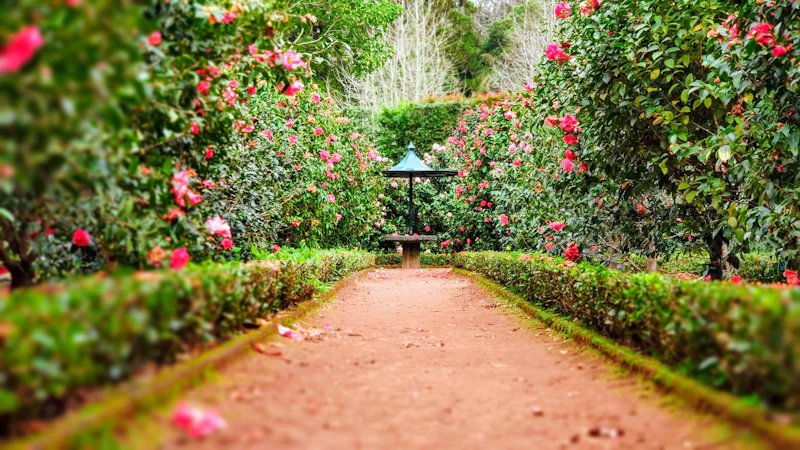
Green wall and 20 ideas, 5 benifit, Green Wall History

A green wall, also known as a living wall or vertical garden, is a vertical structure that is covered with plants, creating a lush and green surface. 


Here are 20 ideas and 5 benefits of green walls, along with a brief history:

**20 Green Wall Ideas:**

1. **Herb Garden:** Grow herbs like basil, mint, and rosemary for culinary use
.
2. **Floral Display:** Create a colorful display with a variety of flowering plants.

3. **Air Purifier:** Use air-purifying plants like snake plants and pothos for improved indoor air quality.

4. **Succulent Wall:** Design a low-maintenance green wall with succulents and cacti.

5. **Fern Wall:** Create a cool and calming atmosphere with ferns.

6. **Artistic Patterns:** Arrange plants in artistic patterns or designs.

7. **Tropical Paradise:** Use tropical plants for a lush, exotic look.

8. **Shade and Privacy:** Use tall plants to provide shade and privacy.

9. **Vertical Vegetable Garden:** Grow vegetables like tomatoes and peppers.

10. **Seasonal Themes:** Change plants with the seasons for a dynamic look.

11. **Moss Wall:** Cover the wall with soft, velvety moss.

12. **Aromatic Wall:** Plant fragrant herbs like lavender and thyme.

13. **Color Gradient:** Create a gradient effect by arranging plants of different colors.

14. **Indoor Oasis:** Transform your indoor space into a green oasis.

15. **Corporate Branding:** Incorporate your company's logo or branding with plant colors.

16. **Textured Wall:** Mix different plant types for a textured appearance.

17. **Vertical Farming:** Grow small crops vertically for sustainable food production.

18. **Minimalistic Design:** Use a limited color palette and plant types for a clean look.

19. **Hanging Plants:** Allow plants to cascade down from the wall.

20. **Natural Art Installation:** Turn your green wall into a living work of art.

**5 Benefits of Green Walls:**

1. **Improved Air Quality:** Green walls help filter pollutants and increase oxygen levels indoors.

2. **Temperature Regulation:** They can reduce indoor temperatures and lower energy costs.

3. **Aesthetic Appeal:** Green walls add a visually pleasing and natural element to spaces.

4. **Sound Insulation:** They can absorb and reduce noise levels, creating a quieter environment.

5. **Well-Being:** Interacting with greenery has been shown to reduce stress and improve mood.


**History of Green Walls:**

The concept of green walls dates back to use ancient civilizations, including the Babylonians, who created one of the earliest known examples around 600 BC. The idea resurfaced in the 20th century with French botanist Patrick Blanc's innovative work in the field. Since then, green walls have gained popularity for their aesthetic and environmental benefits, becoming a prominent feature in modern architecture and urban design.

Ecological Role and Understanding

Ecology, a field of study that delves into the intricate relationships between living organisms and their environment, is crucial in understanding the delicate balance that sustains life on Earth. By examining the interactions between organisms, their surroundings, and the various factors influencing them, ecology provides insights into the complex web of life.

At the heart of ecological research lies the concept of ecosystems, dynamic communities of living organisms coexisting with their physical and chemical surroundings. Ecosystems encompass diverse habitats, ranging from lush forests to barren deserts, and even the depths of the ocean. Within these ecosystems, organisms rely on each other and their environment for resources, forming intricate food webs and nutrient cycles. Through these interactions, ecology highlights the dependency of life forms on one another and emphasizes the significance of every species, no matter how small or seemingly insignificant.
Biodiversity, a key focus of ecological research, plays a critical role in maintaining ecosystem stability. The variety of species within an ecosystem ensures that there are various roles filled, contributing to the resilience of the entire system. Biodiversity provides numerous benefits, from aesthetic and recreational value to tangible resources such as food, medicine, and materials. However, human activities have led to widespread biodiversity loss, with species extinction rates soaring due to habitat destruction, pollution, and climate change. Ecology underscores the urgency of conservation efforts to protect species and ecosystems, thereby safeguarding the planet's natural heritage for future generations.

Furthermore, ecology emphasizes the interconnectedness of Earth's systems, including the atmosphere, hydrosphere, lithosphere, and biosphere. These systems are not isolated entities but rather intricately linked, with changes in one affecting the others. For instance, deforestation can lead to altered rainfall patterns, affecting both local climates and the availability of water resources. By studying these connections, ecologists contribute to our understanding of global processes and provide insights into potential consequences of human actions on the environment.

The field of ecology also delves into the concept of ecological succession, the gradual process by which ecosystems change over time. Whether due to natural disturbances like fires or human activities such as agriculture, ecosystems undergo stages of development, from barren landscapes to complex and mature communities. This understanding helps in devising strategies for ecological restoration, aiming to accelerate the recovery of damaged ecosystems and reestablish their natural functions.

Ecology doesn't solely focus on the natural world; it also explores the impact of human activities on the environment. Environmental pollution, resource depletion, and climate change are some of the global challenges that ecological research addresses. By studying the effects of pollution on aquatic life, for instance, ecologists contribute to the development of policies and technologies to mitigate the impact of human activities on ecosystems. Ecology highlights the importance of adopting sustainable practices that minimize harm to the environment and promote the well-being of both humans and the planet.

In recent years, the concept of ecosystem services has gained prominence within ecological discourse. Ecosystem services refer to the benefits that humans derive from nature, including provisioning services like food, water, and raw materials, regulating services such as pollination and climate regulation, cultural services like recreation and aesthetic enjoyment, and supporting services such as soil formation and nutrient cycling. Recognizing and valuing these services is essential for making informed decisions that balance economic development with environmental conservation.

Ecology also encompasses the study of ecological niches, which are the specific roles and positions that species occupy within their ecosystems. Organisms adapt to their niches over time, evolving traits and behaviors that optimize their chances of survival and reproduction. This intricate dance of adaptations, known as coevolution, highlights the fascinating ways in which species influence each other's evolutionary paths.

In conclusion, ecology is a multidisciplinary science that offers profound insights into the relationships between living organisms and their environment. It highlights the intricate interdependence of life forms, the importance of biodiversity, the impacts of human activities, and the need for sustainable practices. Through its study of ecosystems, biodiversity, interconnected systems, ecological succession, and more, ecology informs us about the intricate workings of the natural world and underscores the urgency of responsible stewardship of the Earth's resources.

Proper Plant Spacing Guide

Proper plant spacing depends on various factors such as the type of plants, their mature size, growth habits, and your specific gardening goals. 

However, here are some general guidelines for common garden plants:

1. **Vegetables:** Leafy greens like lettuce and spinach can be spaced around 6-12 inches apart. Bushy plants like tomatoes and peppers might need 18-24 inches between them. Vining plants like cucumbers and squash could require 2-4 feet of spacing.


2. **Herbs:** Small herbs like basil and thyme can be spaced 8-12 inches apart. Larger herbs like rosemary and mint might need 1-2 feet between plants.


3. **Flowers:** Spacing for flowers depends on their mature size. Low-growing plants could be spaced 6-12 inches apart, while taller varieties might need 12-24 inches or more.


4. **Trees and Shrubs:** Larger plants like trees and shrubs generally need more space, often measured in feet.

Remember that these are just general recommendations. It's important to research the specific needs of each plant species to ensure optimal growth and health.


Yellowing leaves in plants and Solutions

. 
 Yellowing leaves in garden plants can be caused by various factors, including nutrient deficiencies, overwatering or underwatering, poor drainage, pests, or diseases. 
It's important to identify the specific plant species and assess its growing conditions to pinpoint the exact cause.

Checking the Soil , ensure proper drainage, and consider if the plant needs more or less sunlight. 

If the problem persists, consulting a local gardening expert or nursery can provide more tailored advice.

Fragrant Blossoms and 5 Common Uses

Fragrant blossoms refer to flowers that emit a pleasant and aromatic scent. 

They are often used for various purposes due to their appealing fragrance. 

Here are five common uses for fragrant blossoms:


1. **Aromatherapy:** Fragrant blossoms like lavender, jasmine, and rose are used in aromatherapy to promote relaxation, reduce stress, and improve mood.

2. **Perfumes and Fragrances:** Many fragrant blossoms are used in the production of perfumes and fragrances, adding their natural scents to various personal care products.

3. **Decorative Displays:** Fragrant blossoms are often used in floral arrangements to create visually appealing and aromatic displays for events, weddings, and interior decoration.

4. **Culinary Uses:** Some edible blossoms, like lavender, rose, and elderflower, are used to add a delicate floral flavor to culinary dishes, desserts, and beverages.

5. **Medicinal Purposes:** Certain blossoms, such as chamomile and calendula, are used in herbal remedies and teas for their potential health benefits, including soothing digestive issues and supporting skin health.

These are just a few examples of how fragrant blossoms are utilized in various aspects of our lives.

10 Benifit of Organic Farming

Organic farming offers several benefits, including:benefit of organic farming
1. **Healthier Food**: Organic crops are grown without synthetic pesticides and fertilizers, resulting in produce with lower pesticide residues, which can be healthier for consumers.

2. **Environmental Conservation**: Organic farming promotes soil health and reduces soil erosion by avoiding chemical use. It also helps conserve water and promotes biodiversity by avoiding GMOs and synthetic chemicals.

3. **Nutrient-Rich Soil**: Organic practices emphasize the use of compost and natural fertilizers, leading to nutrient-rich soil that supports healthier plant growth.

4. **Reduced Chemical Exposure**: Organic farmers and farm workers are exposed to fewer harmful chemicals, leading to improved health for them and reduced environmental pollution.

5. **Improved Water Quality**: Organic farming methods reduce water pollution by avoiding the use of synthetic pesticides and fertilizers that can contaminate groundwater and water bodies.

6. **Biodiversity Preservation**: Organic farms support a variety of plant and animal species, leading to healthier ecosystems and promoting natural pest control.

7. **Climate Change Mitigation**: Organic farming often employs practices that increase carbon sequestration in soil, contributing to mitigating climate change.

8. **No GMOs**: Organic farming prohibits the use of genetically modified organisms, helping to maintain the genetic diversity of crops.

9. **Support for Local Economies**: Organic farms often contribute to local economies by creating job opportunities and supporting small-scale agriculture.

10. **Long-Term Sustainability**: Organic farming methods focus on maintaining the long-term health of the soil, ensuring sustainable agricultural practices for future generations.
Remember that while organic farming offers many benefits, it also comes with challenges such as potentially lower yields and higher labor requirements. The decision to practice organic farming should consider both its benefits and limitations.

10 Tomato Spacing Factors

Sure, here are 10 key factors to consider when spacing tomato plants:
1. **Variety:** Different tomato varieties have varying growth habits, so spacing should be adjusted accordingly.

2. **Growth Habit:** Determinate types may be planted closer together, while indeterminate types need more space due to their continuous growth.

3. **Sunlight:** Ensure each plant receives sufficient sunlight by spacing them to avoid shading.

4. **Air Circulation:** Proper spacing allows for good airflow, reducing the risk of fungal diseases.

5. **Soil Fertility:** Spacing affects nutrient availability, so adjust based on soil quality and fertility.

6. **Yield Goals:** Higher spacing may lead to larger yields, but closer spacing may result in smaller but more fruits.

7. **Support System:** If using cages or stakes, factor in space needed for support structures.

8. **Watering and Irrigation:** Adequate spacing helps ensure even watering and efficient irrigation.

9. **Weed Control:** Proper spacing can aid in managing weeds around tomato plants.

10. **Harvesting Ease:** Spacing for accessibility makes harvesting easier and reduces plant damage.
Consider these factors to determine the optimal spacing for your tomato plants.

Hydroponic Nutrient Formulation

Sure! A nutrient solution is a liquid mixture containing essential nutrients for plants to grow hydroponically

. 
The formulation varies depending on the specific plants being grown and their growth stage. Typically, a nutrient solution consists of macronutrients (nitrogen, phosphorus, potassium) and micronutrients (iron, zinc, manganese, etc.).

The nutrient solution's composition is usually represented in parts per million (ppm) or milligrams per liter (mg/L). Different hydroponic systems may require adjustments to the nutrient concentration. 

 common nutrient solution for general plant growth may have the following composition:

- Nitrogen (N): 100-200 ppm
- Phosphorus (P): 50-100 ppm
- Potassium (K): 150-300 ppm
- Calcium (Ca): 100-200 ppm
- Magnesium (Mg): 50-100 ppm
- Sulfur (S): 50-100 ppm
- Iron (Fe): 2-10 ppm
- Zinc (Zn): 0.1-0.5 ppm
- Manganese (Mn): 0.5-5 ppm
- Copper (Cu): 0.1-0.5 ppm
- Boron (B): 0.1-1 ppm
- Molybdenum (Mo): 0.01-0.05 ppm
Remember, the exact nutrient formulation may differ based on plant species, growth stage, and environmental conditions. Regular monitoring and adjustment of the nutrient solution are essential to ensure optimal plant health and growth in a hydroponic system.

Patio gardening Self Watering System

Imagine stepping out onto your patio after a grueling week, greeted not by parched, drooping leaves, but by an exuberant, emerald sanctuary humming with vitality[span_2](start_span)[span_2](end_span). A patio garden shouldn't become another demanding chore in our fast-paced modern lives; it is meant to be a soul-soothing, biophilic retreat of effortless serenity. By installing an intuitive, gravity-fed self-watering system, your small urban terrace balances nature's thirst with mechanical precision, ensuring lush growth while liberating your precious time.

Lush small patio garden layout featuring tiered potted plants like areca palms and spider plants with a DIY stone water feature

Figure 1: Layered foliage and serene water integration transforming a compact terrace space[span_3](start_span)[span_3](end_span).

Patio Gardening Self-Watering System: The Ultimate Low-Maintenance Oasis Guide

Before diving into the mechanical assembly of water reservoirs, establishing a structured aesthetic is paramount. Take a moment to review our master blueprint on 9 Patio gardening layout steps to properly orchestrate plant elevations, pathways, and drainage zones before anchoring plumbing lines[span_4](start_span)[span_4](end_span).

How Capillary Action Powers Small Patio Planters

Sub-irrigated planter systems (SIPs) rely on fundamental physics: capillary action. Water stored in a separate subterranean basin travels upward against gravity through porous media—such as perlite, coarse sand, or wicking fabric—delivering hydration directly to the root tips without saturating the surface[span_5](start_span)[span_5](end_span).

Key Components of an Efficient SIP Setup

  • Subterranean Water Reservoir: Houses 3–14 days of reserve hydration safely separated from topsoil.
  • Aeration Screen & Air Gap: Prevents root drowning and bacterial rot by preserving oxygen circulation above the waterline.
  • Capillary Wicking Chambers: Pockets of lightweight wicking soil drawing moisture upward.
  • Overflow Drain Port: Drilled deliberately below the root barrier to purge torrential monsoon rainfall safely.
  • Vertical Fill Pipe: Funnels water directly to the basin, completely bypassing surface evaporation.

Step-by-Step DIY Self-Watering Planter Construction

  1. Select Durable Containers: Repurpose food-grade storage buckets, rustic crates, or resin planters[span_6](start_span)[span_6](end_span). Read our resourceful guide on DIY Patio Planters step by step guide for building artisan boxes from scrap materials[span_7](start_span)[span_7](end_span).
  2. Establish the Reservoir Chamber: Insert a perforated divider 3–4 inches above the container bottom.
  3. Position the Wicking Chamber: Pack perforated plastic cups with porous coco coir and perlite, anchoring them firmly into the water chamber.
  4. Insert the Fill Conduit: Position a 1-inch PVC pipe upright, extending slightly above the container rim.
  5. Drill the Critical Overflow Hole: Bore a drainage hole exactly 1/4 inch below the horizontal soil divider plate.
  6. Layer the Potting Substrate: Avoid heavy clay garden soil; load a fluffy blend of 50% coco coir, 30% compost, and 20% perlite.
Schematic diagram of sub-irrigated planter showing aeration barrier, fill tube, overflow spout, and capillary soil mix

Optimizing Plant Selection for Capillary Systems

Moisture-loving greens flourish tremendously inside sub-irrigated containers. Foliage specimens such as variegated spider plants, lush ferns, rhoeo, and broad-leaf areca palms produce spectacular dense canopies under continuous bottom-hydration[span_8](start_span)[span_8](end_span). For comprehensive botanical choices matching your microclimate, refer directly to our curated list of best plants for Small Patio[span_9](start_span)[span_9](end_span).

Harmonizing Water Systems with Mindful Zen Aesthetics

A self-watering setup need not appear like an industrial plumbing project. By incorporating stacked fieldstones, trickling fountain elements, and meditation accents, you turn automated watering into a peaceful Japanese-inspired courtyard[span_10](start_span)[span_10](end_span). Unpack all structural design techniques in our detailed walkthrough on create a zen garden your patio full guide[span_11](start_span)[span_11](end_span).

Pro Maintenance and Urban Troubleshooting

Keep your irrigation lines crystal clear and pest-free with simple seasonal maintenance routines. To polish your long-term horticultural management, digest our indispensable collection of 10 Patio gardening Tips[span_12](start_span)[span_12](end_span).


Frequently Asked Questions (50 Practical Solutions)

1. What is a patio self-watering system?
It is an automated sub-irrigation setup supplying water directly to root zones via capillary wicking or timers.

2. How does capillary action work in planters?
Porous soil components absorb moisture upwards from a closed bottom water reservoir[span_13](start_span)[span_13](end_span).

3. Can self-watering planters prevent root rot?
Yes, provided an overflow hole maintains a proper air gap between reservoir water and soil roots.

4. How often must I refill the water reservoir?
Typically every 7 to 14 days, depending on ambient sun exposure, wind, and plant maturity.

5. Do self-watering containers attract mosquitoes?
Not if overflow points are covered with fine mesh and fill pipes remain capped.

6. Can I use standard garden soil in these pots?
No, dense topsoil compacts and suffocates roots; use airy peat/coir-perlite potting mixes.

7. Are self-watering systems suitable for heavy monsoon rains?
Yes, excess precipitation drains out instantaneously through drilled overflow ports.

8. Which vegetables thrive best in self-watering patio pots?
Tomatoes, bell peppers, leafy greens, radishes, and cucumbers thrive exceptionally well.

9. Do areca palms perform well in self-watering planters?
Yes, continuous root-zone humidity keeps palm fronds vibrant green without tip browning[span_14](start_span)[span_14](end_span).

10. Can I convert ordinary terracotta pots into self-watering units?
Yes, by lining with waterproof coatings or utilizing inverted bottle-and-ceramic spike kits.

11. What is the ideal wicking material?
Synthetic braided polyester cord, microfiber strips, or cups packed with pure perlite and coco coir.

12. How do I fertilize self-watering planters?
Blend slow-release organic fertilizer strips into the upper third of potting mix or add water-soluble nutrients into the reservoir.

13. Will succulents survive in self-watering pots?
Generally no; cacti and arid succulents prefer complete dry-out cycles between watering.

14. Do self-watering planters save water?
Yes, they slash water waste by up to 70% by eliminating surface evaporation and soil runoff.

15. How do I prevent algae inside the reservoir?
Use opaque containers that completely block direct sunlight from penetrating the water tank.

16. What is the best overflow height?
Drill the overflow hole approximately 1/2 inch below the aeration divider floor.

17. Can I add a timer to my patio irrigation?
Yes, digital tap timers connected to 4mm micro-drip lines automate supplemental surface watering.

18. How do I clean salt buildups in wicking pots?
Top-flush the soil thoroughly with plain water once every six months to leach out accumulated mineral salts.

19. Does a patio water feature combine with self-watering?
Yes, fountain return overflows can feed subterranean container reservoirs automatically[span_15](start_span)[span_15](end_span).

20. Are self-watering planters frost-resistant?
Drain all reservoirs completely before winter freezes to prevent cracked plastic containers.

21. What container depth is ideal for patio tomatoes?
A minimum depth of 14 to 18 inches with a 2-gallon subterranean reservoir.

22. What causes soil in a wicking bed to turn sour?
Lack of an aeration gap or compacted, poor-draining soil drowning aerobic microbes.

23. Can fabric grow bags be used for self-watering setups?
Yes, by placing grow bags inside shallow gravel wicking reservoirs with automatic float valves.

24. How do I know when the reservoir is empty?
Install a simple visual dipstick with a buoyant cork float inside the fill pipe.

25. Does wind increase patio watering requirements?
Yes, high-rise balcony drafts accelerate transpiration, requiring larger reservoir capacities.

26. Can spider plants tolerate self-watering systems?
Spider plants flourish rapidly in sub-irrigation provided the top layer remains loose[span_16](start_span)[span_16](end_span).

27. What is the cheapest DIY self-watering option?
The double-bucket method using two stacked 20-liter food-grade plastic containers.

28. Is tap water safe for self-watering reservoirs?
Yes, though letting chlorinated municipal water stand for 24 hours prevents chemical shock.

29. Can hanging baskets be self-watering?
Yes, look for molded double-bottom hanging baskets with internal wick cups.

30. Do wicks ever stop drawing water?
Mineral encrustation can degrade wicking speed over two seasons; simply replace the cords annually.

31. What is a sub-irrigated planter box?
A structural planter containing a perforated floor separating soil mix from standing water.

32. Can I use gravel as the aeration floor?
Yes, pea gravel topped with landscape fabric works as an effective reservoir barrier.

33. Are plastic self-watering pots food-safe?
Always verify containers are molded from HDPE #2, LDPE #4, or PP #5 plastic for edible crops.

34. How does mulch help self-watering patio pots?
Adding cedar chips or straw to topsoil prevents upper-layer dehydration and weed germination.

35. Can I use hydroton clay pebbles in wicking chambers?
Hydroton works, but fine pumice or perlite delivers significantly faster capillary suction.

36. Why is my self-watering planter bone-dry on top?
Normal behavior; roots feed downward where moisture resides while keeping the soil neck fungal-free.

37. Can herbs grow in self-watering patio planters?
Basil, mint, and parsley thrive; Mediterranean herbs like rosemary prefer drier conventional pots.

38. How does patio orientation affect reservoir capacity?
South-facing patios demand 50% larger water capacities compared to shady north-facing spaces.

39. What diameter is ideal for the fill tube?
A 1-inch or 1.25-inch diameter tube allows rapid hose refilling without airlocks.

40. Can I connect multiple self-watering pots together?
Yes, linked base grommets and 1/4-inch tubing connect multiple pots to a single float-valve tank.

41. How to prevent root intrusion into the water chamber?
Line the aeration barrier with porous non-woven spunbound geotextile landscape fabric.

42. Are ceramic watering spikes effective for holidays?
Excellent for 5–7 day excursions when hooked to inverted recycled glass bottles.

43. Can solar power automate patio watering?
Solar-powered micro-pumps draw reservoir water through manifold emitters without mains electricity.

44. What causes bad odors from a planter reservoir?
Stagnant water devoid of oxygen; resolve by adding a tiny splash of 3% hydrogen peroxide.

45. Does bottom-watering deter fungus gnats?
Yes, keeping the top 2 inches dry prevents fungus gnats from successfully laying eggs.

46. Can I build self-watering planters from wooden pallets?
Yes, line the pallet interior with heavy-gauge pond liner before fitting drainage and reservoirs[span_17](start_span)[span_17](end_span).

47. What is an air gap, and why is it mandatory?
A 1/2-inch space between water and soil allowing root respiration to prevent root rot.

48. How do I protect patio floors from water stains?
Direct overflow spouts into gravel drainage saucers or elevate pots using sturdy floor stands[span_18](start_span)[span_18](end_span).

49. Can I leave self-watering planters outdoors year-round?
Yes, in tropical and temperate climates without sub-zero freezes.

50. Where should I start my patio transformation?
Start by finalizing your spatial footprint following our master guide on 9 Patio gardening layout steps[span_19](start_span)[span_19](end_span).

Rose Black spot Disease identification and Treatment

Black spot disease, also known as black spot fungus, is a common fungal disease that affects roses (Rosa spp.) and other plants in the Rosaceae family. Here are the identification and treatment details for black spot disease:

Identification:

1. Black spotes in Leaves:
 The most noticeable symptom is the appearance of black or dark purple spots on the upper side of the leaves.


2. Yellowing of leaves: The infected leaves may turn yellow and drop prematurely, leading to defoliation.

3. Spreading: The disease can spread rapidly in humid conditions, especially during warm and wet weather.

Treatment:

1. Pruning: Start by removing and disposing of infected leaves, stems, and flowers to prevent further spread of the fungus. Clean pruning tools between cuts to avoid transmitting the disease to healthy parts of the plant.

2. Water management: Avoid overhead watering to keep the leaves dry, as moisture encourages fungal growth. Water the plants at the base to reduce splashing of fungal spores.

3. Improve air circulation: Plant roses and other susceptible plants with enough space between them to allow good air circulation, which helps reduce humidity around the foliage.

4. Fungicides: Apply fungicides specifically formulated for black spot disease prevention and treatment. Follow the manufacturer's instructions and apply at recommended intervals.

5. Neem oil: Neem oil can also be effective against black spot disease. It acts as both a fungicide and an insecticide.

6. Disease-resistant varieties: Consider planting disease-resistant rose varieties, as they are less susceptible to black spot and other fungal diseases.

Remember, prevention is essential in managing black spot disease. Regularly inspect your plants for any signs of infection and take appropriate action promptly to limit the spread of the fungus.

How to Build a Smart Automated Micro-Gardening Drip System for Balconies Under $25

How to Build a Smart Automated Micro-Gardening Drip System for Balconies Under $25 Direct Answer (Zero-Position Summary): To...