Top 19 Best Plants for Terrace Gardening: Complete Beginner's Guide (Care, Soil & Yield)
Terrace gardening, commonly known as rooftop farming, is one of the most rewarding urban agricultural practices. It converts vacant concrete rooftops into lush, productive ecosystems that lower household temperatures, supply fresh chemical-free food, and combat urban heat island effects.
Whether you have a compact 100-square-foot balcony or a sprawling 1,000-square-foot open terrace, selecting the right plant species is the single most critical factor for container gardening success. Below is a detailed, field-tested guide to the Top 19 best terrace garden plants, categorized with their precise soil preferences, microclimate tolerances, and container care requirements.

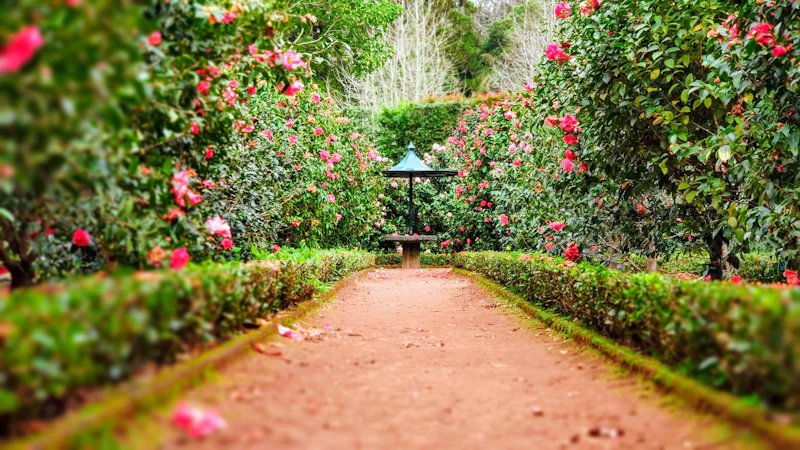
Figure 1: Organic rooftop gardening maximizes urban vertical space while producing clean, nutrient-dense harvest.
At a Glance: Terrace Plant Compatibility & Sunlight Matrix
| Plant Category | Selected Varieties | Minimum Pot Size | Sunlight Requirement |
|---|---|---|---|
| Fruiting Vegetables | Tomato, Bell Pepper, Chilli, Cucumber | 12" - 15" Depth | 6 - 8 Hours (Full Sun) |
| Leafy Greens | Spinach, Lettuce, Mint, Coriander | 6" - 8" Depth (Wide) | 3 - 4 Hours (Partial Shade) |
| Root Crops | Radish, Carrot, Beetroot | 10" - 14" Depth | 5 - 6 Hours (Direct Sun) |
| Aromatic Herbs | Basil, Rosemary, Lavender, Chives | 8" - 10" Depth | 5 - 7 Hours (Warm Sun) |
| Container Fruits | Strawberry, Dwarf Guava | 8" (Strawberry) / 18"+ (Trees) | 6 Hours (Moist & Sunny) |
Detailed Profiles of the 19 Best Terrace Plants
1. Tomato (Solanum lycopersicum)
Tomatoes are the crown jewel of terrace gardens. They establish sturdy root networks in grow bags and provide prolific yields under intense sunlight.
- Ideal Pot Size: 12x12 or 15x15 inch grow bag.
- Soil Substrate: Well-draining, nutrient-rich potting soil enriched with vermicompost and a handful of bone meal.
- Climate & Sun: Full sun (6 to 8 hours daily); ideal temperatures between 18°C and 30°C.
- Watering Protocol: Deep, consistent watering at soil level; avoid splashing water on leaves to prevent fungal blight.

2. Sweet Basil (Ocimum basilicum)
Basil is an essential aromatic culinary herb that acts as a natural pest repellent when intercropped with fruiting nightshades.
- Ideal Pot Size: 8 to 10-inch clay or plastic pot.
- Soil Substrate: Light, well-draining loamy mix with neutral pH (6.0 to 7.0).
- Sunlight Needs: 4 to 6 hours of bright morning sun.
- Maintenance: Pinch growing terminal tips regularly to encourage dense, bushy foliage and prevent early flowering.

3. Garden Mint (Mentha spp.)
Mint is an aggressive, fast-growing herb. Its root rhizomes expand horizontally, making it one of the easiest balcony crops to cultivate.
- Ideal Pot Size: Wide, shallow rectangular planters (6 to 8 inches deep).
- Key Rule: Never plant mint in a shared pot with other vegetables, as its root runners quickly choke out neighboring plants.
- Watering: Prefers consistently moist soil; tolerates partial shade conditions.

4. Spinach (Spinacia oleracea)
Spinach is a nutrient-dense leafy green that thrives in shallow pots. It delivers successive harvests throughout cool weather.
- Ideal Pot Size: 6 to 9 inches deep with a broad surface area.
- Soil Substrate: 40% compost, 40% cocopeat, and 20% soil for maximum nitrogen absorption.
- Harvesting Method: Harvest outer leaves continuously using clean garden shears; the inner core will regenerate new leaves.

5. Chives (Allium schoenoprasum)
Chives are low-maintenance perennial alliums that offer delicate onion flavor and attractive lavender blossoms that draw helpful pollinators.
- Ideal Pot Size: 8-inch pot.
- Sunlight: Partial to full sun (4 to 5 hours).
- Care: Cut back to 1 inch above soil level when harvesting; chives rapidly re-sprout year-round.

6. Bell Peppers / Capsicum (Capsicum annuum)
Bell peppers provide colourful, crisp fruit in warm terrace microclimates. They require balanced nutrition to prevent premature flower drop.
- Ideal Pot Size: 12x12 inch grow bag minimum.
- Sunlight: 6 to 8 hours of uninterrupted sunlight.
- Pro Tip: Add bone meal or crushed eggshells during planting to provide calcium and prevent blossom end rot.

7. Strawberries (Fragaria x ananassa)
Strawberries produce high fruit yields in hanging baskets and strawberry towers, keeping fruit clean and off damp soil surfaces.
- Ideal Pot Size: 8-inch depth or vertical pocket planters.
- Soil Substrate: Slightly acidic (pH 5.5 to 6.5) with rich pine bark mulch or leaf mold.
- Care Tip: Mulch around crowns with dry straw to prevent moisture-induced fruit decay.

8. Rosemary (Rosmarinus officinalis)
Rosemary is a drought-tolerant Mediterranean woody perennial that handles the intense, dry rooftop heat of summer months.
- Ideal Pot Size: 10 to 12-inch terracotta container for root aeration.
- Soil Substrate: Sandy, gravelly, fast-draining potting mix.
- Watering Protocol: Allow the top 2 inches of soil to dry completely between waterings; avoid overwatering at all costs.

9. Lavender (Lavandula spp.)
Lavender provides calming fragrance, silver-grey aesthetic foliage, and floral nectar that attracts honeybees to your terrace.
- Soil Substrate: Alkaline to neutral gritty soil with coarse sand or perlite.
- Ventilation: Requires open air circulation; avoid clustering too closely against walls.

10. Radishes (Raphanus sativus)
Radishes are the fastest-growing root crop for beginners, reaching harvest maturity within 25 to 35 days from direct seed sowing.
- Ideal Pot Size: 8 to 10-inch deep wide trough or rectangular container.
- Soil Substrate: Soft, stone-free loose potting soil to allow uniform bulb expansion.

11. Carrots (Daucus carota)
Carrots develop sweet, crunchy taproots in deep containers free from heavy rocks or compacted soil.
- Ideal Pot Size: 12 to 15-inch depth grow bags.
- Soil Substrate: 50% sand/cocopeat mixed with 30% soil and 20% compost.
- Care: Thin seedlings to 3 inches apart early to allow proper taproot thickening.

12. Lettuce (Lactuca sativa)
Lettuce grows quickly in cooler seasons, producing crisp salad leaves that can be harvested leaf-by-leaf as needed.
- Ideal Pot Size: 6-inch shallow trays or vertical towers.
- Sunlight: 3 to 4 hours of morning sun; protect from strong afternoon heat to avoid leaf bitterness and bolting.

13. Green Chillies (Capsicum frutescens)
Chillies are heavy producers in rooftop gardens, handling heat and high sunlight with minimal water maintenance once established.
- Ideal Pot Size: 12x12 inch grow bag.
- Feeding: Apply sour buttermilk or diluted wood ash liquid monthly to boost flowering and pungency.
14. Coriander / Cilantro (Coriandrum sativum)
Coriander is a kitchen essential with shallow roots that thrives in porous soil and partial morning sunlight.
- Growing Tip: Split whole coriander seeds into halves before soaking for 12 hours to accelerate germination.
15. Eggplant / Brinjal (Solanum melongena)
Eggplants thrive in hot climates, producing heavy fruit in large containers when given balanced organic feeding.
- Ideal Pot Size: 14 to 16-inch container with strong bamboo staking.
16. Cucumbers (Cucumis sativus)
Cucumbers yield heavy harvests when trained vertically along bamboo trellises or terrace safety railings.
- Vertical Training: Vertical growth prevents fruit rotting and maximizes floor space.
17. Marigold (Tagetes spp.)
Marigolds are vital companion plants for any rooftop garden. Their root secretions repel harmful nematodes, while their bright blooms draw beneficial pollinators.
18. Bush Green Beans (Phaseolus vulgaris)
Bush green beans fix atmospheric nitrogen into the potting soil, improving nutrient levels naturally without synthetic chemicals.
19. Dwarf Meyer Lemon (Citrus x meyeri)
Dwarf Meyer Lemons thrive in 18 to 24-inch drums on rooftops, producing aromatic blossoms and juicy, thin-skinned citrus fruit throughout the year.
Frequently Asked Questions (50 Terrace Gardening FAQs)
Clear, practical answers covering soil formulas, pest eradication, watering methods, and structural safety on residential roofs.
1. What are the easiest vegetables for beginners on a terrace?
Tomatoes, spinach, radishes, and chillies are the easiest vegetables for beginners due to their high resilience and fast yield.
2. What is the ideal soil mix ratio for terrace gardening pots?
The golden ratio is 40% garden soil or red soil, 30% cocopeat for moisture retention, and 30% organic compost like vermicompost or cow dung manure.
3. How often should I water terrace garden plants in summer?
Water twice daily during peak summer—early morning before 8 AM and late evening after 5 PM. Never water under scorching afternoon sun.
4. What grow bag size is best for tomato and chilli plants?
A grow bag of 12x12 inches or 15x15 inches is ideal for single tomato, chilli, or brinjal plants to support strong root systems.
5. How to prevent water leakage on the terrace roof from gardening?
Apply a waterproof polymer coating on the roof slab, place all pots on elevated metal or plastic pot stands, and ensure adequate slope toward drainage holes.
6. Can I grow fruit plants on a rooftop terrace?
Yes, dwarf fruit varieties like guava, pomegranate, lemons, and strawberries grow exceptionally well in 18x18 to 24x24 inch containers.
7. How do I naturally control pests on terrace vegetables?
Spray a mixture of 5 ml pure cold-pressed neem oil and 2 ml organic liquid soap diluted in 1 litre of water once every 10 days.
8. How many hours of sunlight are required for terrace vegetables?
Most fruiting vegetables require 6 to 8 hours of direct sunlight, while leafy greens like spinach and mint thrive in 3 to 4 hours of partial sunlight.
9. What is the best natural fertilizer for container plants?
Vermicompost, decomposed cow dung manure, bone meal, seaweed liquid fertilizer, and mustard cake tea are excellent organic nutrients.
10. Is cocopeat necessary for terrace gardening?
Yes, cocopeat is essential because it is ultra-lightweight, reduces roof load, and retains moisture efficiently in hot rooftop weather.
11. Why are my tomato leaves turning yellow on the terrace?
Yellow leaves typically indicate overwatering, poor pot drainage, or nitrogen deficiency. Check soil moisture before watering.
12. How deep do carrot roots grow in container gardening?
Carrots require containers with a minimum depth of 10 to 12 inches with loose, stone-free sandy loam soil to grow straight roots.
13. Can mint be grown along with other plants in the same pot?
No, mint has aggressive invasive roots that spread rapidly and choke other plants. Always grow mint in a dedicated separate container.
14. How to protect terrace plants from intense summer heatwaves?
Install a 50% green agro-shade net over the terrace, apply organic dry leaf mulching on pot surfaces, and group pots together to retain humidity.
15. What causes flower drop in chilli and tomato plants?
Extreme temperature fluctuations, dry soil conditions during flowering, or calcium and boron deficiencies cause flower drop.
16. How do I attract pollinators like bees to my rooftop garden?
Intercrop companion flowering plants like marigolds, sunflowers, cosmos, and sweet basil alongside your vegetable pots.
17. How often should container soil be replenished with compost?
Add 2 to 3 handfuls of fresh vermicompost or compost to the top layer of each container once every 15 to 20 days.
18. Are plastic pots better than clay pots for terrace gardening?
HDPE grow bags and plastic pots are lightweight and durable. However, breathable fabric grow bags are the best for root aeration.
19. How fast do radishes grow from seed on a terrace?
Radishes are one of the fastest crops, ready for harvest within just 25 to 35 days from seed sowing.
20. Can we grow leafy greens during monsoon season?
Yes, but ensure containers have extra drainage holes and place them under a rain shelter to avoid leaf fungal rot and waterlogging.
21. What is the best companion plant for tomatoes?
Basil and marigolds are top companion plants. Basil enhances flavor and deters pests, while marigolds repel soil-borne nematodes.
22. How to solve root-knot nematode problems organically?
Mix neem cake powder (50g per pot) into the soil mix and cultivate French marigolds whose roots secrete natural nematicidal compounds.
23. Is rainwater good for terrace garden plants?
Rainwater is pure, free from chlorine/fluoride, and naturally rich in atmospheric nitrogen, making it superior to municipal tap water.
24. What pot size is needed for growing ginger and turmeric?
Use broad, shallow pots or rectangular grow bags with a depth of 10 to 12 inches and width of at least 15 to 20 inches.
25. How to make liquid organic fertilizer at home?
Ferment banana peels, onion skins, and sour buttermilk in water for 48 hours to create a nutrient-rich organic foliar liquid fertilizer.
26. Why are my bell peppers small and thin-walled?
Insufficient sunlight (under 6 hours), lack of phosphorus/potassium, or inconsistent moisture levels during fruit setting causes stunted peppers.
27. Can strawberries be grown in tropical climates on a terrace?
Yes, day-neutral strawberry varieties grow successfully in containers during cooler winter months in tropical regions.
28. How to prune rosemary and lavender plants in pots?
Prune lightly after the main flowering flush, cutting tender green tips. Never cut back into the old woody base.
29. What is the weight limit a residential terrace roof can handle?
Standard concrete RCC roofs safely carry 150 to 200 kg per square meter. Using cocopeat and lightweight grow bags minimizes structural stress.
30. How to prevent soil erosion from heavy rain in grow bags?
Cover the topsoil with 1 to 2 inches of organic mulch like dry leaves, sugarcane bagasse, or coconut coir chips.
31. What causes black spots on tomato bottoms?
This is Blossom End Rot caused by calcium deficiency and irregular watering. Add crushed eggshell powder or agricultural lime to the soil.
32. How to grow perennial flowering plants on a terrace?
Choose hardy varieties like Hibiscus, Bougainvillea, and Jasmine in 14-inch pots with full-day sunlight and monthly organic feeding.
33. How to harvest spinach for continuous regrowth?
Use the cut-and-come-again method: trim outer mature leaves 1 inch above soil level, leaving central young leaves to continue growing.
34. Can succulent and herb plants be grown in the same potting soil?
No, herbs need moisture-retentive nutrient soil, whereas succulents require gritty, fast-draining sand-based soil with minimal organic matter.
35. How to identify healthy seeds before sowing?
Place seeds in a glass of water for 15 minutes; viable seeds sink to the bottom, while dead or hollow seeds float on top.
36. What is pinching in flowering and herb plants?
Pinching is removing the terminal top growing tip of a stem to stimulate lateral side branching, producing a bushier plant.
37. How do earthworms survive in terrace garden pots?
Earthworms survive well if soil is kept cool and moist with organic mulching; avoid harsh chemical fertilizers which kill them.
38. What is the best organic fungicide for rooftop plants?
Diluted sour buttermilk (1:10 ratio with water) or copper-based Bordeaux mixture effectively suppresses fungal leaf blights and powdery mildew.
39. Why do cucumber plants produce only male flowers initially?
Cucurbit vines naturally produce male flowers first to attract pollinators before female flowers with miniature fruit buds appear.
40. How to manage high terrace wind pressure on tall plants?
Stake tall plants with bamboo stakes, place taller containers against terrace parapet walls, or install windbreak shade nets.
41. Can greywater from kitchen sinks be used for terrace plants?
Rinsed water from washed vegetables and boiled rice (unsalted and cooled) is great. Avoid water containing chemical dish soaps or detergents.
42. How to grow coriander successfully without bolt to seed?
Split coriander seeds gently into halves before sowing, provide 4 hours of morning sun, and avoid severe summer heat which causes early bolting.
43. What is the role of bone meal in terrace gardening?
Bone meal is a slow-release organic source of phosphorus and calcium, vital for robust root development and abundant flowering.
44. How to naturally disinfect old potting soil before reuse?
Solarize the soil: spread it over a clear tarp under direct hot sunlight for 7 to 10 days to destroy pathogens, weed seeds, and pest eggs.
45. Why do indoor potted plants die when shifted to a terrace?
Direct sun shock and low humidity cause severe leaf scorch. Always harden plants off by placing them in partial shade for 7 days first.
46. What are microgreens and can they be grown on rooftops?
Microgreens are tender young greens harvested at 10-14 days. They grow in shallow trays in bright, shaded terrace areas with minimal soil.
47. How to prevent ants from building nests in grow bags?
Sprinkle organic cinnamon powder, turmeric, or food-grade diatomaceous earth around container bases and plant stands.
48. How to protect terracotta clay pots from cracking on terraces?
Elevate them on stands to avoid direct heat transfer from roof concrete, and avoid filling dry hot pots with ice-cold water.
49. What is the best natural source of potassium for fruiting pots?
Wood ash (in minimal amounts) and steeped organic banana peel liquid provide fast-acting, bio-available potassium for fruit sizing.
50. How many vegetables can a 500 sq ft terrace garden produce?
With 40-50 well-managed containers, vertical trellises, and crop rotation, a 500 sq ft terrace can supply 60-70% of a family's weekly vegetables.