12 Steps for Select Garden Location

Sure, I can help you with that! To select the proper location in your garden for a specific plant or feature, follow these step-by-step instructions:


1. **Identify the Plant or Feature**: Determine what you want to place in your garden. Is it a specific plant, a tree, a vegetable bed, or a decorative feature like a fountain or bench?

2. **Consider Sunlight Requirements**: Check the sunlight requirements of the plant or feature. Does it need full sun, partial shade, or full shade? Observe your garden throughout the day to identify areas with the right amount of sunlight.

3. **Evaluate Soil Quality**: Assess the soil quality in your garden. Some plants thrive in well-drained soil, while others prefer moist or acidic soil. You may need to conduct a soil test to determine the pH and nutrient levels.

4. **Think About Watering Needs**: Consider the water requirements of the plant or feature. Is it drought-tolerant, or does it need regular watering? Ensure that the chosen location has access to irrigation if necessary.

5. **Account for Mature Size**: Research the mature size of the plant or feature. Make sure there's enough space for it to grow without overcrowding or shading out other plants.

6. **Check for Wind Exposure**: Be mindful of wind exposure. Some plants are sensitive to strong winds, so choose a location that provides protection if needed.

7. **Factor in Aesthetic Considerations**: Think about the visual impact. Will the placement enhance the overall aesthetics of your garden? Consider how it fits into your garden's design and style.

8. **Accessibility**: Ensure that the chosen location is easily accessible for maintenance tasks such as watering, pruning, and weeding.

9. **Observe Microclimates**: Take note of microclimates within your garden. Certain areas may have variations in temperature or moisture due to nearby structures or features. This can affect plant growth.

10. **Consult Gardening Resources**: If you're unsure about specific plant requirements or placement, consult gardening books, online resources, or local nursery experts for guidance.

11. **Plant or Install**: Once you've identified the ideal location, go ahead and plant your chosen plant or install the garden feature, following proper planting or installation guidelines.

12. **Monitor and Adjust**: Regularly monitor the plant or feature's progress. If it's not thriving in its current location, be prepared to make adjustments by transplanting or relocating.

Remember that each plant or feature may have unique requirements, so it's important to do some research or consult with experts when in doubt. Happy gardening!

Choose the right plant in my Garden Step by step instructions

Certainly! Here's a step-by-step guide to help you choose the right plant for your garden:

1. Assess Your Garden Conditions:

   - Determine the amount of sunlight your garden receives throughout the day (full sun, partial shade, full shade).

   - Analyze the soil type (sandy, loamy, clayey) and its drainage capabilities.

   - Consider your local climate, including temperature fluctuations and rainfall patterns.

2. Define Your Goals:
   - Decide the purpose of the plant (ornamental, edible, wildlife habitat, etc.).
   - Consider your level of gardening experience and the amount of maintenance you're willing to commit to.

3. Research Plant Types:
   - Based on your garden conditions and goals, research different plant types that thrive in your area. You can consult gardening books, websites, or local nurseries for recommendations.

4. Make a List of Candidates:
   - Create a list of plants that match your criteria, taking note of their specific requirements and characteristics.

5. Consider Local Native Plants:
   - Native plants are often well-suited to your region's conditions and support local wildlife. Check if there are native plant options on your list.

6. Determine Plant Size:
   - Consider the mature size of the plant, ensuring it fits within your available space without overcrowding.

7. Check for Pests and Diseases:
   - Research if the chosen plants are susceptible to common pests and diseases in your area and if you're comfortable managing them.

8. Think About Seasonal Interest:
   - Plan for year-round interest by selecting plants with different blooming or foliage colors for various seasons.

9. Budget:
   - Factor in the cost of purchasing and maintaining the plants. Some may require more care or additional supplies.

10. Visit a Nursery:
    - Visit a local nursery to see the plants in person and get advice from experts. They can help you make the final selection based on your preferences and garden conditions.

11. Planting and Care:
    - Once you've chosen your plants, follow planting and care instructions carefully, including watering, fertilizing, and pruning as needed.

12. Monitor and Adjust:
    - Regularly monitor your garden's progress and make adjustments as necessary to ensure your chosen plants thrive.

Remember that gardening is a rewarding but ongoing process. Don't be afraid to experiment and learn from your experiences as you cultivate your garden.

Lawn Disease Control Methods

Controlling lawn diseases is a crucial aspect of maintaining a lush and healthy lawn. Lawn diseases can be caused by various factors, including fungi, bacteria, and environmental conditions. In this comprehensive guide, we will explore a wide range of effective methods for preventing and managing lawn diseases. By following these strategies, you can keep your lawn looking green and vibrant year-round.


1. **Proper Lawn Care Practices:**
   Proper lawn care is the foundation for preventing diseases. This includes regular mowing, appropriate fertilization, and adequate watering. Keep your lawn at the recommended height for your grass type to prevent stress and allow for good air circulation.

2. **Choose Resistant Grass Varieties:**
   Selecting the right type of grass for your region is essential. Some grass varieties are more resistant to specific diseases, so research which ones are best suited for your climate and soil conditions.

3. **Soil Testing and Improvement:**
   Conduct soil tests to determine the pH levels and nutrient content of your soil. Proper soil amendments can help create conditions that are less favorable for disease development.

4. **Adequate Watering:**
   Overwatering or watering at the wrong time can create an environment conducive to disease growth. Water your lawn early in the morning to allow the grass to dry during the day, reducing the risk of fungal infections.

5. **Disease Identification:**
   It's essential to identify the specific disease affecting your lawn accurately. Different diseases require different treatments, so consult a professional if you're unsure.

6. **Fungicide Applications:**
   In cases of severe disease outbreaks, fungicides may be necessary. However, they should be used sparingly and in accordance with label instructions to minimize environmental impact.

7. **Thatch Management:**
   Excessive thatch buildup can create a breeding ground for disease-causing organisms. Regular dethatching can help reduce the risk of disease.

8. **Aeration:**
   Lawn aeration improves soil compaction and allows better airflow to the grassroots. This can help prevent disease by improving overall lawn health.

9. **Remove Diseased Grass Clippings:**
   When mowing a lawn with a disease problem, collect and dispose of grass clippings to prevent the spread of the disease.

10. **Proper Fertilization:**
    Avoid over-fertilization, as this can promote lush, tender growth that is more susceptible to disease. Follow recommended fertilization schedules and guidelines.

11. **Reseeding and Overseeding:**
    Regularly reseed or overseed your lawn to fill in thin areas and maintain a healthy grass stand. Disease-resistant grass varieties can be incorporated during this process.

12. **Clean Lawn Equipment:**
    Ensure that your lawn equipment, such as mowers and trimmers, is clean and sanitized to prevent the spread of diseases from one area of the lawn to another.

13. **Improve Air Circulation:**
    Trim back overhanging branches and shrubs to allow more sunlight and air circulation, which can help keep the lawn drier and less susceptible to diseases.

14. **Use Disease-Resistant Plants:**
    If you have ornamental plants in your lawn, choose disease-resistant varieties to reduce the risk of disease spread.

15. **Natural Remedies:**
    Some natural remedies, like neem oil or compost tea, can help manage lawn diseases. These are less harmful to the environment than synthetic chemicals.

16. **Quarantine Affected Areas:**
    If you notice a disease outbreak in a specific area of your lawn, consider isolating it to prevent further spread. Avoid walking through or mowing over diseased areas.

17. **Follow Cultural Practices:**
    Implement cultural practices like the proper spacing of plants and avoiding excessive nitrogen fertilization, as these can deter disease development.

18. **Monitor Weather Conditions:**
    Stay aware of weather conditions in your area. Some diseases are more likely to thrive in specific weather patterns, so adjust your lawn care practices accordingly.

19. **Consult with Experts:**
    If you're dealing with a persistent or severe lawn disease problem, it's advisable to consult with a local lawn care professional or an agricultural extension office for expert guidance and diagnosis.

20. **Regular Inspection and Maintenance:**
    Finally, conduct regular inspections of your lawn to catch any signs of disease early. Early intervention is often the most effective way to manage lawn diseases.

In conclusion, the key to effective lawn disease control lies in a combination of preventative measures and timely interventions. By following these comprehensive guidelines, you can create a robust defense against lawn diseases and enjoy a beautiful, disease-free lawn throughout the year. Remember that maintaining a healthy lawn through proper care practices is the first line of defense against diseases, making prevention the most critical aspect of lawn disease management.

What is Coco peat , and benifit, Gardening Tips

Coco peat, also known as coir pith or coir dust, is a natural, organic, and renewable resource derived from the husk of coconuts. It's a brown, spongy material with a texture similar to peat moss but with several advantages. Coco peat is widely used in gardening and horticulture for its excellent water retention, aeration, and nutrient-holding properties. Now, let's explore its gardening uses and tips in a bit more detail.


One of the primary uses of coco peat in gardening is as a soil conditioner and growing medium. Gardeners often mix it with garden soil to improve its structure and water-holding capacity. When used as a soil amendment, coco peat helps prevent soil compaction, which allows better root penetration and oxygen uptake for plants. Its ability to retain moisture is particularly beneficial in regions with dry climates, as it reduces the need for frequent watering.

Coco peat can be used as a standalone growing medium for container gardening. It's an ideal choice for container plants, such as potted herbs, vegetables, and flowers. When using coco peat in pots, ensure proper drainage by adding a layer of gravel or perlite at the bottom to prevent waterlogging.


Another application of coco peat is in seed starting and propagation. Its fine texture and water-holding capacity create an ideal environment for germinating seeds and rooting cuttings. Simply fill seed trays or pots with moistened coco peat, sow your seeds, and watch them thrive. You can also use it for transplanting seedlings into larger containers or the garden.

Coco peat is an eco-friendly alternative to peat moss, which is often harvested unsustainably from peat bogs. By choosing coco peat, gardeners contribute to the conservation of these vital wetland ecosystems. Additionally, coco peat is resistant to fungal and bacterial growth, reducing the risk of soil-borne diseases in your garden.

When using coco peat in gardening, it's essential to follow some tips to maximize its benefits:

1. **Rehydrate Properly**: Coco peat usually comes in compressed blocks or bags. Before use, soak it in water to expand and fluff it up. This process can take a few hours, so plan ahead.

2. **Mix with Soil**: When amending garden soil, blend coco peat in the ratio of 1:1 or 1:2 (coco peat to soil). This ensures a balanced mixture that retains moisture while allowing for good drainage.

3. **Fertilize Adequately**: Coco peat is relatively low in nutrients, so you'll need to supplement with a balanced fertilizer. Organic options like compost or slow-release fertilizers work well.

4. **Watering Practices**: Coco peat retains moisture efficiently, so be cautious not to overwater. Check the moisture level by sticking your finger into the soil. Water when it feels dry about an inch below the surface.

5. **pH Monitoring**: Coco peat has a slightly acidic to neutral pH. Regularly monitor the pH of your growing medium and adjust if necessary to suit the specific needs of your plants.

6. **Mulching**: Apply a layer of coco peat as mulch around your plants. This helps conserve moisture, regulate soil temperature, and suppress weeds.

7. **Reuse and Sustainability**: Coco peat can be reused for multiple growing seasons. After harvest, refresh it by adding nutrients and rehydrating it.

8. **Protect Against Salinity**: In regions with high salinity in the water or soil, rinse the coco peat thoroughly to remove excess salts before use.

9. **Store Properly**: Keep unused coco peat in a dry place to prevent mold or fungal growth.

In summary, coco peat is a versatile and sustainable gardening resource. Its exceptional water retention and aeration properties make it a valuable addition to the toolkit of both beginner and experienced gardeners. By following these tips, you can harness the full potential of coco peat to create healthier, more vibrant gardens while contributing to environmental sustainability.

Green wall and 20 ideas, 5 benifit, Green Wall History

A green wall, also known as a living wall or vertical garden, is a vertical structure that is covered with plants, creating a lush and green surface. 


Here are 20 ideas and 5 benefits of green walls, along with a brief history:

**20 Green Wall Ideas:**

1. **Herb Garden:** Grow herbs like basil, mint, and rosemary for culinary use
.
2. **Floral Display:** Create a colorful display with a variety of flowering plants.

3. **Air Purifier:** Use air-purifying plants like snake plants and pothos for improved indoor air quality.

4. **Succulent Wall:** Design a low-maintenance green wall with succulents and cacti.

5. **Fern Wall:** Create a cool and calming atmosphere with ferns.

6. **Artistic Patterns:** Arrange plants in artistic patterns or designs.

7. **Tropical Paradise:** Use tropical plants for a lush, exotic look.

8. **Shade and Privacy:** Use tall plants to provide shade and privacy.

9. **Vertical Vegetable Garden:** Grow vegetables like tomatoes and peppers.

10. **Seasonal Themes:** Change plants with the seasons for a dynamic look.

11. **Moss Wall:** Cover the wall with soft, velvety moss.

12. **Aromatic Wall:** Plant fragrant herbs like lavender and thyme.

13. **Color Gradient:** Create a gradient effect by arranging plants of different colors.

14. **Indoor Oasis:** Transform your indoor space into a green oasis.

15. **Corporate Branding:** Incorporate your company's logo or branding with plant colors.

16. **Textured Wall:** Mix different plant types for a textured appearance.

17. **Vertical Farming:** Grow small crops vertically for sustainable food production.

18. **Minimalistic Design:** Use a limited color palette and plant types for a clean look.

19. **Hanging Plants:** Allow plants to cascade down from the wall.

20. **Natural Art Installation:** Turn your green wall into a living work of art.

**5 Benefits of Green Walls:**

1. **Improved Air Quality:** Green walls help filter pollutants and increase oxygen levels indoors.

2. **Temperature Regulation:** They can reduce indoor temperatures and lower energy costs.

3. **Aesthetic Appeal:** Green walls add a visually pleasing and natural element to spaces.

4. **Sound Insulation:** They can absorb and reduce noise levels, creating a quieter environment.

5. **Well-Being:** Interacting with greenery has been shown to reduce stress and improve mood.


**History of Green Walls:**

The concept of green walls dates back to use ancient civilizations, including the Babylonians, who created one of the earliest known examples around 600 BC. The idea resurfaced in the 20th century with French botanist Patrick Blanc's innovative work in the field. Since then, green walls have gained popularity for their aesthetic and environmental benefits, becoming a prominent feature in modern architecture and urban design.

Ecological Role and Understanding

Ecology, a field of study that delves into the intricate relationships between living organisms and their environment, is crucial in understanding the delicate balance that sustains life on Earth. By examining the interactions between organisms, their surroundings, and the various factors influencing them, ecology provides insights into the complex web of life.

At the heart of ecological research lies the concept of ecosystems, dynamic communities of living organisms coexisting with their physical and chemical surroundings. Ecosystems encompass diverse habitats, ranging from lush forests to barren deserts, and even the depths of the ocean. Within these ecosystems, organisms rely on each other and their environment for resources, forming intricate food webs and nutrient cycles. Through these interactions, ecology highlights the dependency of life forms on one another and emphasizes the significance of every species, no matter how small or seemingly insignificant.
Biodiversity, a key focus of ecological research, plays a critical role in maintaining ecosystem stability. The variety of species within an ecosystem ensures that there are various roles filled, contributing to the resilience of the entire system. Biodiversity provides numerous benefits, from aesthetic and recreational value to tangible resources such as food, medicine, and materials. However, human activities have led to widespread biodiversity loss, with species extinction rates soaring due to habitat destruction, pollution, and climate change. Ecology underscores the urgency of conservation efforts to protect species and ecosystems, thereby safeguarding the planet's natural heritage for future generations.

Furthermore, ecology emphasizes the interconnectedness of Earth's systems, including the atmosphere, hydrosphere, lithosphere, and biosphere. These systems are not isolated entities but rather intricately linked, with changes in one affecting the others. For instance, deforestation can lead to altered rainfall patterns, affecting both local climates and the availability of water resources. By studying these connections, ecologists contribute to our understanding of global processes and provide insights into potential consequences of human actions on the environment.

The field of ecology also delves into the concept of ecological succession, the gradual process by which ecosystems change over time. Whether due to natural disturbances like fires or human activities such as agriculture, ecosystems undergo stages of development, from barren landscapes to complex and mature communities. This understanding helps in devising strategies for ecological restoration, aiming to accelerate the recovery of damaged ecosystems and reestablish their natural functions.

Ecology doesn't solely focus on the natural world; it also explores the impact of human activities on the environment. Environmental pollution, resource depletion, and climate change are some of the global challenges that ecological research addresses. By studying the effects of pollution on aquatic life, for instance, ecologists contribute to the development of policies and technologies to mitigate the impact of human activities on ecosystems. Ecology highlights the importance of adopting sustainable practices that minimize harm to the environment and promote the well-being of both humans and the planet.

In recent years, the concept of ecosystem services has gained prominence within ecological discourse. Ecosystem services refer to the benefits that humans derive from nature, including provisioning services like food, water, and raw materials, regulating services such as pollination and climate regulation, cultural services like recreation and aesthetic enjoyment, and supporting services such as soil formation and nutrient cycling. Recognizing and valuing these services is essential for making informed decisions that balance economic development with environmental conservation.

Ecology also encompasses the study of ecological niches, which are the specific roles and positions that species occupy within their ecosystems. Organisms adapt to their niches over time, evolving traits and behaviors that optimize their chances of survival and reproduction. This intricate dance of adaptations, known as coevolution, highlights the fascinating ways in which species influence each other's evolutionary paths.

In conclusion, ecology is a multidisciplinary science that offers profound insights into the relationships between living organisms and their environment. It highlights the intricate interdependence of life forms, the importance of biodiversity, the impacts of human activities, and the need for sustainable practices. Through its study of ecosystems, biodiversity, interconnected systems, ecological succession, and more, ecology informs us about the intricate workings of the natural world and underscores the urgency of responsible stewardship of the Earth's resources.

Proper Plant Spacing Guide

Proper plant spacing depends on various factors such as the type of plants, their mature size, growth habits, and your specific gardening goals. 

However, here are some general guidelines for common garden plants:

1. **Vegetables:** Leafy greens like lettuce and spinach can be spaced around 6-12 inches apart. Bushy plants like tomatoes and peppers might need 18-24 inches between them. Vining plants like cucumbers and squash could require 2-4 feet of spacing.


2. **Herbs:** Small herbs like basil and thyme can be spaced 8-12 inches apart. Larger herbs like rosemary and mint might need 1-2 feet between plants.


3. **Flowers:** Spacing for flowers depends on their mature size. Low-growing plants could be spaced 6-12 inches apart, while taller varieties might need 12-24 inches or more.


4. **Trees and Shrubs:** Larger plants like trees and shrubs generally need more space, often measured in feet.

Remember that these are just general recommendations. It's important to research the specific needs of each plant species to ensure optimal growth and health.


Yellowing leaves in plants and Solutions

. 
 Yellowing leaves in garden plants can be caused by various factors, including nutrient deficiencies, overwatering or underwatering, poor drainage, pests, or diseases. 
It's important to identify the specific plant species and assess its growing conditions to pinpoint the exact cause.

Checking the Soil , ensure proper drainage, and consider if the plant needs more or less sunlight. 

If the problem persists, consulting a local gardening expert or nursery can provide more tailored advice.

Fragrant Blossoms and 5 Common Uses

Fragrant blossoms refer to flowers that emit a pleasant and aromatic scent. 

They are often used for various purposes due to their appealing fragrance. 

Here are five common uses for fragrant blossoms:


1. **Aromatherapy:** Fragrant blossoms like lavender, jasmine, and rose are used in aromatherapy to promote relaxation, reduce stress, and improve mood.

2. **Perfumes and Fragrances:** Many fragrant blossoms are used in the production of perfumes and fragrances, adding their natural scents to various personal care products.

3. **Decorative Displays:** Fragrant blossoms are often used in floral arrangements to create visually appealing and aromatic displays for events, weddings, and interior decoration.

4. **Culinary Uses:** Some edible blossoms, like lavender, rose, and elderflower, are used to add a delicate floral flavor to culinary dishes, desserts, and beverages.

5. **Medicinal Purposes:** Certain blossoms, such as chamomile and calendula, are used in herbal remedies and teas for their potential health benefits, including soothing digestive issues and supporting skin health.

These are just a few examples of how fragrant blossoms are utilized in various aspects of our lives.

10 Benifit of Organic Farming

Organic farming offers several benefits, including:benefit of organic farming
1. **Healthier Food**: Organic crops are grown without synthetic pesticides and fertilizers, resulting in produce with lower pesticide residues, which can be healthier for consumers.

2. **Environmental Conservation**: Organic farming promotes soil health and reduces soil erosion by avoiding chemical use. It also helps conserve water and promotes biodiversity by avoiding GMOs and synthetic chemicals.

3. **Nutrient-Rich Soil**: Organic practices emphasize the use of compost and natural fertilizers, leading to nutrient-rich soil that supports healthier plant growth.

4. **Reduced Chemical Exposure**: Organic farmers and farm workers are exposed to fewer harmful chemicals, leading to improved health for them and reduced environmental pollution.

5. **Improved Water Quality**: Organic farming methods reduce water pollution by avoiding the use of synthetic pesticides and fertilizers that can contaminate groundwater and water bodies.

6. **Biodiversity Preservation**: Organic farms support a variety of plant and animal species, leading to healthier ecosystems and promoting natural pest control.

7. **Climate Change Mitigation**: Organic farming often employs practices that increase carbon sequestration in soil, contributing to mitigating climate change.

8. **No GMOs**: Organic farming prohibits the use of genetically modified organisms, helping to maintain the genetic diversity of crops.

9. **Support for Local Economies**: Organic farms often contribute to local economies by creating job opportunities and supporting small-scale agriculture.

10. **Long-Term Sustainability**: Organic farming methods focus on maintaining the long-term health of the soil, ensuring sustainable agricultural practices for future generations.
Remember that while organic farming offers many benefits, it also comes with challenges such as potentially lower yields and higher labor requirements. The decision to practice organic farming should consider both its benefits and limitations.

10 Tomato Spacing Factors

Sure, here are 10 key factors to consider when spacing tomato plants:
1. **Variety:** Different tomato varieties have varying growth habits, so spacing should be adjusted accordingly.

2. **Growth Habit:** Determinate types may be planted closer together, while indeterminate types need more space due to their continuous growth.

3. **Sunlight:** Ensure each plant receives sufficient sunlight by spacing them to avoid shading.

4. **Air Circulation:** Proper spacing allows for good airflow, reducing the risk of fungal diseases.

5. **Soil Fertility:** Spacing affects nutrient availability, so adjust based on soil quality and fertility.

6. **Yield Goals:** Higher spacing may lead to larger yields, but closer spacing may result in smaller but more fruits.

7. **Support System:** If using cages or stakes, factor in space needed for support structures.

8. **Watering and Irrigation:** Adequate spacing helps ensure even watering and efficient irrigation.

9. **Weed Control:** Proper spacing can aid in managing weeds around tomato plants.

10. **Harvesting Ease:** Spacing for accessibility makes harvesting easier and reduces plant damage.
Consider these factors to determine the optimal spacing for your tomato plants.

Hydroponic Nutrient Formulation: Complete ppm Chart, pH & EC Guide

Last updated: November 21, 2026

A hydroponic nutrient solution is water mixed with all the minerals a plant would normally pull from soil. Since there is no soil to buffer mistakes, the mix has to be right. Too weak and growth stalls, too strong and the roots burn. This guide covers the nutrient ranges, pH and EC targets I follow, and how to adjust them as plants grow.

Hydroponic nutrient solution for plants

What Is in a Hydroponic Nutrient Solution?

The mix has two groups of nutrients. Macronutrients are needed in large amounts: nitrogen (N), phosphorus (P), potassium (K), calcium (Ca), magnesium (Mg) and sulfur (S). Micronutrients are needed in tiny amounts but are just as important: iron (Fe), manganese (Mn), zinc (Zn), copper (Cu), boron (B) and molybdenum (Mo).

Concentrations are measured in parts per million (ppm), which is the same as milligrams per litre (mg/L).

General Nutrient Solution Chart (ppm)

These are working ranges for most leafy greens and common vegetables. Treat them as a starting point, not a fixed recipe.

NutrientSymbolRange (ppm)
NitrogenN100 – 200
PhosphorusP50 – 100
PotassiumK150 – 300
CalciumCa100 – 200
MagnesiumMg50 – 100
SulfurS50 – 100
IronFe2 – 10
ManganeseMn0.5 – 5
ZincZn0.1 – 0.5
CopperCu0.1 – 0.5
BoronB0.1 – 1
MolybdenumMo0.01 – 0.05
Hydroponic nutrient formulation chart with macro and micronutrients

Keep pH and EC in Range

Even a perfect nutrient mix fails if the pH is off, because the roots cannot absorb some nutrients (iron and calcium especially) outside the right window.

  • pH: keep it between 5.5 and 6.5 for most crops.
  • EC (electrical conductivity): roughly 1.2 to 2.5 mS/cm depending on the crop. Lettuce and herbs sit at the lower end, tomatoes and peppers at the higher end.

Check both daily if you can. A cheap pH pen and EC meter will save you far more than they cost.

Adjust the Mix by Growth Stage

  • Seedlings and young plants: use a diluted solution, around half strength. Roots are delicate and burn easily.
  • Vegetative growth: raise nitrogen to support leaf and stem growth.
  • Flowering and fruiting: reduce nitrogen a little and increase phosphorus and potassium for flowers and fruit.

Practical Tips

  • Mix nutrient concentrates one at a time in water. Never mix calcium and sulfate or phosphate concentrates directly together, as they can precipitate and become unavailable to plants.
  • Change the full reservoir every 1 to 2 weeks. Top up with plain water in between.
  • Keep the reservoir covered and away from direct sunlight to prevent algae.
  • Watch the leaves. Yellowing on older leaves often points to low nitrogen, while burnt tips usually mean the solution is too strong.

Frequently Asked Questions

Can I use normal garden fertilizer for hydroponics?
Usually not. Soil fertilizers often lack calcium, magnesium or micronutrients, and many do not dissolve fully. Use a fertilizer made for hydroponics.

How often should I change the nutrient solution?
Every 1 to 2 weeks for most home systems, or sooner if the EC or pH keeps drifting.

What happens if the EC is too high?
The plant struggles to take up water, leaf tips burn and growth slows. Dilute the solution with clean water.

The exact formulation will always depend on the plant species, growth stage and your growing conditions, so keep testing and adjusting.


About the Author

S.Sethupathi is an Agriculture Engineer who writes about hydroponics, smart gardening and modern farming techniques.

50 inspirational gardening quotes in famous persons

50 inspiration quotes in gardening 

1. "The love of gardening is a seed once sown that never dies." - Gertrude Jekyll

2. "In every gardener there is a child who believes in the seed fairy." - Robert Brault

3. "To plant a garden is to believe in tomorrow." - Audrey Hepbur

4. "Gardening adds years to your life and life to your years." - Unknown

5. "The best time to plant a tree was 20 years ago. The second best time is now." - Chinese Proverb

6. "A garden is a grand teacher. It teaches patience and careful watchfulness; it teaches industry and thrift; above all, it teaches entire trust." - Gertrude Jekyll

7. "Gardens are not made by singing 'Oh, how beautiful!' and sitting in the shade." - Rudyard Kipling

8. "A garden is a friend you can visit anytime." - Unknown
9. "Gardening is the purest of human pleasures." - Francis Bacon

10. "The glory of gardening: hands in the dirt, head in the sun, heart with nature. To nurture a garden is to feed not just the body, but the soul." - Alfred Austin

11. "To forget how to dig the earth and to tend the soil is to forget ourselves." - Mahatma Gandhi

12. "The kiss of the sun for pardon, the song of the birds for mirth, one is nearer God's heart in a garden than anywhere else on earth." - Dorothy Frances Gurney

13. "Gardening is about enjoying the smell of things growing in the soil, getting dirty without feeling guilty, and generally taking the time to soak up a little peace and serenity." - Lindley Karstens

14. "The garden suggests there might be a place where we can meet nature halfway." - Michael Pollan

15. "Gardening is an instrument of grace." - May Sarton
16. "The greatest gift of the garden is the restoration of the five senses." - Hanna Rion

17. "Gardeners, I think, dream bigger dreams than emperors." - Mary Cantwell

18. "Gardening is the art that uses flowers and plants as paint, and the soil and sky as canvas." - Elizabeth Murray

19. "A garden is always a series of losses set against a few triumphs, like life itself." - May Sarton

20. "Gardening is cheaper than therapy and you get tomatoes." - Unknown

21. "The garden is a love song, a duet between a human being and Mother Nature." - Jeff Cox

22. "Gardens are not just made by sitting in the shade." - Rudyard Kipling

23. "Garden as though you will live forever." - William Kent
24. "In the garden, every season has its own beauty, and every stage of life brings new possibilities." - Unknown

25. "Gardening is about enjoying the smell of things growing in the soil, getting dirty without feeling guilty, and generally taking the time to soak up a little peace and serenity." - Lindley Karstens

26. "Gardening is a way of showing that you believe in tomorrow." - Unknown

27. "To plant a garden is to believe in hope for the future." - Unknown

28. "Gardening is the art that uses flowers and plants as paint, and the soil and sky as canvas." - Elizabeth Murray

29. "A garden is a reflection of its gardener's soul." - Unknown

30. "The best fertilizer is the gardener's shadow." - Unknown
31. "Gardening is the slowest of the performing arts." - Unknown

32. "A garden is a little piece of heaven on Earth." - Unknown

33. "The garden is a sanctuary of peace, a retreat from the world's chaos." - Unknown

34. "Gardeners cultivate more than just plants; they cultivate the soul." - Unknown

35. "Gardening is not a hobby; it's a way of life." - Unknown

36. "A garden is a canvas where nature paints its own masterpiece." - Unknown

37. "In the garden, every season has its own beauty, and every stage of life brings new possibilities." - Unknown

38. "Gardening is an opportunity to be in harmony with nature." - Unknown

39. "A garden is a love song, a duet between a human being and Mother Nature." - Jeff Cox

40. "To plant a garden is to believe in tomorrow." - Audrey Hepburn
41. "A garden is a delight to the eye and a solace for the soul." - Saadi

42. "Gardening is the art that uses flowers and plants as paint, and the soil and sky as canvas." - Elizabeth Murray

43. "Gardens are not just made by sitting in the shade." - Rudyard Kipling

44. "Gardening is about enjoying the smell of things growing in the soil, getting dirty without feeling guilty, and generally taking the time to soak up a little peace and serenity." - Lindley Karstens

45. "The best time to plant a tree was 20 years ago. The second best time is now." - Chinese Proverb

46. "Gardeners, I think, dream bigger dreams than emperors." - Mary Cantwell

47. "A garden is always a series of losses set against a few triumphs, like life itself." - May Sarton

48. "Garden as though you will live forever." - William Kent

49. "In the garden, every season has its own beauty, and every stage of life brings new possibilities." - Unknown

50. "Gardening is cheaper than therapy and you get tomatoes." - Unknown

Famous 50 person quotes 

Terrace gardening tips: Growing tomato in 12 Easy steps

TERRACE GARDENING 

Terrace gardening, also known as rooftop gardening, is the practice of growing plants, vegetables, and sometimes even small trees on the terraces or rooftops of buildings. It is an excellent way to utilize urban spaces, promote greenery, and contribute to a sustainable environment.


Tomato plants in botanical garden 

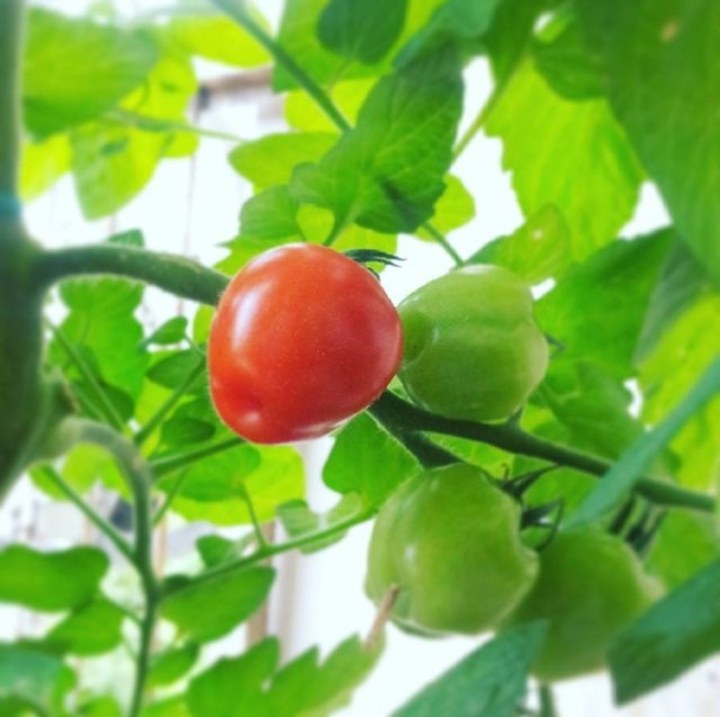
Tomato plants are a popular choice for terrace gardening due to their relatively easy cultivation and high productivity. Terrace gardening allows you to grow vegetables and plants in containers or raised beds on your terrace or balcony, making it a suitable option for urban dwellers or those with limited gardening space. Here are some tips for growing tomato plants in a terrace garden:7 gardening tips for beginners
1. Selecting the right containers: Choose large containers with good drainage holes to allow excess water to escape. 5-gallon pots or larger are ideal for growing tomatoes.

2.Choosing the tomato variety: There are many tomato varieties available, including determinate (bushy) and indeterminate (vining) types. Indeterminate varieties can produce fruit continuously, but they require staking or trellising for support.
3. Quality pot: Use a well-draining potting mix enriched with compost to provide the tomato plants with the necessary nutrients. Avoid using garden soil alone, as it can lead to drainage issues and may contain pests and diseases.
4. Sunlight:Tomatoes need plenty of sunlight to thrive. Ensure your terrace garden receives at least 6-8 hours of direct sunlight daily.

5. Watering: Consistent and adequate watering is essential for tomato plants. Check the soil regularly and water when the top inch of the soil feels dry. Avoid overwatering, as it can lead to root rot.
6. Supporting the plants:As mentioned earlier, indeterminate varieties will require support as they grow. Use stakes, cages, or trellises to keep the plants upright and prevent branches from breaking due to the weight of the fruits.

7. Pruning: Indeterminate varieties benefit from pruning to improve airflow and focus the plant's energy on fruit production. Remove suckers (the small shoots that form in the leaf axils) to encourage larger and healthier fruits.

8.Fertilizing:Feed your tomato plants with a balanced liquid fertilizer or organic fertilizer to ensure they have the nutrients they need for optimal growth

9. Pest and disease management: Keep an eye out for common tomato pests like aphids, whiteflies, and tomato hornworms. Use organic methods like neem oil or insecticidal soap to control pests. Also, be vigilant for signs of diseases like blight or wilt, and promptly address any issues to prevent the spread.

10. Harvesting:Once the tomatoes ripen, gently twist or cut them from the vine. Regularly harvesting ripe fruits will encourage the plant to continue producing more.

Remember that terrace gardening can be affected by environmental conditions, so pay attention to temperature fluctuations, winds, and other factors that may impact your tomato plants. With proper care and attention, you can enjoy a bountiful harvest of fresh, homegrown tomatoes right on your terrace.

Top 19 Best Plants for Terrace Gardening: Complete Guide (Soil, Care & 50 FAQs)

Urban Agriculture & Sustainable Living

Top 19 Best Plants for Terrace Gardening: Complete Beginner's Guide (Care, Soil & Yield)

Terrace gardening, commonly known as rooftop farming, is one of the most rewarding urban agricultural practices. It converts vacant concrete rooftops into lush, productive ecosystems that lower household temperatures, supply fresh chemical-free food, and combat urban heat island effects.

Whether you have a compact 100-square-foot balcony or a sprawling 1,000-square-foot open terrace, selecting the right plant species is the single most critical factor for container gardening success. Below is a detailed, field-tested guide to the Top 19 best terrace garden plants, categorized with their precise soil preferences, microclimate tolerances, and container care requirements.

Vibrant organic terrace garden setup with healthy vegetables and herbs growing in durable containers on a rooftop

Figure 1: Organic rooftop gardening maximizes urban vertical space while producing clean, nutrient-dense harvest.

At a Glance: Terrace Plant Compatibility & Sunlight Matrix

Plant Category Selected Varieties Minimum Pot Size Sunlight Requirement
Fruiting Vegetables Tomato, Bell Pepper, Chilli, Cucumber 12" - 15" Depth 6 - 8 Hours (Full Sun)
Leafy Greens Spinach, Lettuce, Mint, Coriander 6" - 8" Depth (Wide) 3 - 4 Hours (Partial Shade)
Root Crops Radish, Carrot, Beetroot 10" - 14" Depth 5 - 6 Hours (Direct Sun)
Aromatic Herbs Basil, Rosemary, Lavender, Chives 8" - 10" Depth 5 - 7 Hours (Warm Sun)
Container Fruits Strawberry, Dwarf Guava 8" (Strawberry) / 18"+ (Trees) 6 Hours (Moist & Sunny)

Detailed Profiles of the 19 Best Terrace Plants

1. Tomato (Solanum lycopersicum)

Tomatoes are the crown jewel of terrace gardens. They establish sturdy root networks in grow bags and provide prolific yields under intense sunlight.

  • Ideal Pot Size: 12x12 or 15x15 inch grow bag.
  • Soil Substrate: Well-draining, nutrient-rich potting soil enriched with vermicompost and a handful of bone meal.
  • Climate & Sun: Full sun (6 to 8 hours daily); ideal temperatures between 18°C and 30°C.
  • Watering Protocol: Deep, consistent watering at soil level; avoid splashing water on leaves to prevent fungal blight.
Ripening organic red cluster tomatoes growing on a staked plant in a terrace grow bag

2. Sweet Basil (Ocimum basilicum)

Basil is an essential aromatic culinary herb that acts as a natural pest repellent when intercropped with fruiting nightshades.

  • Ideal Pot Size: 8 to 10-inch clay or plastic pot.
  • Soil Substrate: Light, well-draining loamy mix with neutral pH (6.0 to 7.0).
  • Sunlight Needs: 4 to 6 hours of bright morning sun.
  • Maintenance: Pinch growing terminal tips regularly to encourage dense, bushy foliage and prevent early flowering.
Lush green sweet basil leaves growing compactly in a rooftop herb container

3. Garden Mint (Mentha spp.)

Mint is an aggressive, fast-growing herb. Its root rhizomes expand horizontally, making it one of the easiest balcony crops to cultivate.

  • Ideal Pot Size: Wide, shallow rectangular planters (6 to 8 inches deep).
  • Key Rule: Never plant mint in a shared pot with other vegetables, as its root runners quickly choke out neighboring plants.
  • Watering: Prefers consistently moist soil; tolerates partial shade conditions.
Fresh vibrant mint leaves spreading densely in a shallow rooftop planter tray

4. Spinach (Spinacia oleracea)

Spinach is a nutrient-dense leafy green that thrives in shallow pots. It delivers successive harvests throughout cool weather.

  • Ideal Pot Size: 6 to 9 inches deep with a broad surface area.
  • Soil Substrate: 40% compost, 40% cocopeat, and 20% soil for maximum nitrogen absorption.
  • Harvesting Method: Harvest outer leaves continuously using clean garden shears; the inner core will regenerate new leaves.
Broad organic spinach leaves ready for harvest in a rooftop raised container

5. Chives (Allium schoenoprasum)

Chives are low-maintenance perennial alliums that offer delicate onion flavor and attractive lavender blossoms that draw helpful pollinators.

  • Ideal Pot Size: 8-inch pot.
  • Sunlight: Partial to full sun (4 to 5 hours).
  • Care: Cut back to 1 inch above soil level when harvesting; chives rapidly re-sprout year-round.
Healthy green chive blades standing tall in a rooftop ceramic garden pot

6. Bell Peppers / Capsicum (Capsicum annuum)

Bell peppers provide colourful, crisp fruit in warm terrace microclimates. They require balanced nutrition to prevent premature flower drop.

  • Ideal Pot Size: 12x12 inch grow bag minimum.
  • Sunlight: 6 to 8 hours of uninterrupted sunlight.
  • Pro Tip: Add bone meal or crushed eggshells during planting to provide calcium and prevent blossom end rot.
Glossy green bell pepper developing on a healthy container-grown pepper plant

7. Strawberries (Fragaria x ananassa)

Strawberries produce high fruit yields in hanging baskets and strawberry towers, keeping fruit clean and off damp soil surfaces.

  • Ideal Pot Size: 8-inch depth or vertical pocket planters.
  • Soil Substrate: Slightly acidic (pH 5.5 to 6.5) with rich pine bark mulch or leaf mold.
  • Care Tip: Mulch around crowns with dry straw to prevent moisture-induced fruit decay.
Fresh bright red strawberry fruit hanging off container foliage on a sunny terrace

8. Rosemary (Rosmarinus officinalis)

Rosemary is a drought-tolerant Mediterranean woody perennial that handles the intense, dry rooftop heat of summer months.

  • Ideal Pot Size: 10 to 12-inch terracotta container for root aeration.
  • Soil Substrate: Sandy, gravelly, fast-draining potting mix.
  • Watering Protocol: Allow the top 2 inches of soil to dry completely between waterings; avoid overwatering at all costs.
Dense needle-like aromatic rosemary foliage thriving in an outdoor terrace pot

9. Lavender (Lavandula spp.)

Lavender provides calming fragrance, silver-grey aesthetic foliage, and floral nectar that attracts honeybees to your terrace.

  • Soil Substrate: Alkaline to neutral gritty soil with coarse sand or perlite.
  • Ventilation: Requires open air circulation; avoid clustering too closely against walls.
Fragrant purple lavender blooms growing in a terracotta pot under full sunlight

10. Radishes (Raphanus sativus)

Radishes are the fastest-growing root crop for beginners, reaching harvest maturity within 25 to 35 days from direct seed sowing.

  • Ideal Pot Size: 8 to 10-inch deep wide trough or rectangular container.
  • Soil Substrate: Soft, stone-free loose potting soil to allow uniform bulb expansion.
Crisp round red radishes harvested fresh with green tops from rooftop soil mix

11. Carrots (Daucus carota)

Carrots develop sweet, crunchy taproots in deep containers free from heavy rocks or compacted soil.

  • Ideal Pot Size: 12 to 15-inch depth grow bags.
  • Soil Substrate: 50% sand/cocopeat mixed with 30% soil and 20% compost.
  • Care: Thin seedlings to 3 inches apart early to allow proper taproot thickening.
Bunch of freshly pulled orange carrots with healthy green leaves from deep container soil

12. Lettuce (Lactuca sativa)

Lettuce grows quickly in cooler seasons, producing crisp salad leaves that can be harvested leaf-by-leaf as needed.

  • Ideal Pot Size: 6-inch shallow trays or vertical towers.
  • Sunlight: 3 to 4 hours of morning sun; protect from strong afternoon heat to avoid leaf bitterness and bolting.
Crisp fresh green head of lettuce growing in a shallow terrace container

13. Green Chillies (Capsicum frutescens)

Chillies are heavy producers in rooftop gardens, handling heat and high sunlight with minimal water maintenance once established.

  • Ideal Pot Size: 12x12 inch grow bag.
  • Feeding: Apply sour buttermilk or diluted wood ash liquid monthly to boost flowering and pungency.

14. Coriander / Cilantro (Coriandrum sativum)

Coriander is a kitchen essential with shallow roots that thrives in porous soil and partial morning sunlight.

  • Growing Tip: Split whole coriander seeds into halves before soaking for 12 hours to accelerate germination.

15. Eggplant / Brinjal (Solanum melongena)

Eggplants thrive in hot climates, producing heavy fruit in large containers when given balanced organic feeding.

  • Ideal Pot Size: 14 to 16-inch container with strong bamboo staking.

16. Cucumbers (Cucumis sativus)

Cucumbers yield heavy harvests when trained vertically along bamboo trellises or terrace safety railings.

  • Vertical Training: Vertical growth prevents fruit rotting and maximizes floor space.

17. Marigold (Tagetes spp.)

Marigolds are vital companion plants for any rooftop garden. Their root secretions repel harmful nematodes, while their bright blooms draw beneficial pollinators.

18. Bush Green Beans (Phaseolus vulgaris)

Bush green beans fix atmospheric nitrogen into the potting soil, improving nutrient levels naturally without synthetic chemicals.

19. Dwarf Meyer Lemon (Citrus x meyeri)

Dwarf Meyer Lemons thrive in 18 to 24-inch drums on rooftops, producing aromatic blossoms and juicy, thin-skinned citrus fruit throughout the year.

Google Search & Snippet Optimization

Frequently Asked Questions (50 Terrace Gardening FAQs)

Clear, practical answers covering soil formulas, pest eradication, watering methods, and structural safety on residential roofs.

1. What are the easiest vegetables for beginners on a terrace?

Tomatoes, spinach, radishes, and chillies are the easiest vegetables for beginners due to their high resilience and fast yield.

2. What is the ideal soil mix ratio for terrace gardening pots?

The golden ratio is 40% garden soil or red soil, 30% cocopeat for moisture retention, and 30% organic compost like vermicompost or cow dung manure.

3. How often should I water terrace garden plants in summer?

Water twice daily during peak summer—early morning before 8 AM and late evening after 5 PM. Never water under scorching afternoon sun.

4. What grow bag size is best for tomato and chilli plants?

A grow bag of 12x12 inches or 15x15 inches is ideal for single tomato, chilli, or brinjal plants to support strong root systems.

5. How to prevent water leakage on the terrace roof from gardening?

Apply a waterproof polymer coating on the roof slab, place all pots on elevated metal or plastic pot stands, and ensure adequate slope toward drainage holes.

6. Can I grow fruit plants on a rooftop terrace?

Yes, dwarf fruit varieties like guava, pomegranate, lemons, and strawberries grow exceptionally well in 18x18 to 24x24 inch containers.

7. How do I naturally control pests on terrace vegetables?

Spray a mixture of 5 ml pure cold-pressed neem oil and 2 ml organic liquid soap diluted in 1 litre of water once every 10 days.

8. How many hours of sunlight are required for terrace vegetables?

Most fruiting vegetables require 6 to 8 hours of direct sunlight, while leafy greens like spinach and mint thrive in 3 to 4 hours of partial sunlight.

9. What is the best natural fertilizer for container plants?

Vermicompost, decomposed cow dung manure, bone meal, seaweed liquid fertilizer, and mustard cake tea are excellent organic nutrients.

10. Is cocopeat necessary for terrace gardening?

Yes, cocopeat is essential because it is ultra-lightweight, reduces roof load, and retains moisture efficiently in hot rooftop weather.

11. Why are my tomato leaves turning yellow on the terrace?

Yellow leaves typically indicate overwatering, poor pot drainage, or nitrogen deficiency. Check soil moisture before watering.

12. How deep do carrot roots grow in container gardening?

Carrots require containers with a minimum depth of 10 to 12 inches with loose, stone-free sandy loam soil to grow straight roots.

13. Can mint be grown along with other plants in the same pot?

No, mint has aggressive invasive roots that spread rapidly and choke other plants. Always grow mint in a dedicated separate container.

14. How to protect terrace plants from intense summer heatwaves?

Install a 50% green agro-shade net over the terrace, apply organic dry leaf mulching on pot surfaces, and group pots together to retain humidity.

15. What causes flower drop in chilli and tomato plants?

Extreme temperature fluctuations, dry soil conditions during flowering, or calcium and boron deficiencies cause flower drop.

16. How do I attract pollinators like bees to my rooftop garden?

Intercrop companion flowering plants like marigolds, sunflowers, cosmos, and sweet basil alongside your vegetable pots.

17. How often should container soil be replenished with compost?

Add 2 to 3 handfuls of fresh vermicompost or compost to the top layer of each container once every 15 to 20 days.

18. Are plastic pots better than clay pots for terrace gardening?

HDPE grow bags and plastic pots are lightweight and durable. However, breathable fabric grow bags are the best for root aeration.

19. How fast do radishes grow from seed on a terrace?

Radishes are one of the fastest crops, ready for harvest within just 25 to 35 days from seed sowing.

20. Can we grow leafy greens during monsoon season?

Yes, but ensure containers have extra drainage holes and place them under a rain shelter to avoid leaf fungal rot and waterlogging.

21. What is the best companion plant for tomatoes?

Basil and marigolds are top companion plants. Basil enhances flavor and deters pests, while marigolds repel soil-borne nematodes.

22. How to solve root-knot nematode problems organically?

Mix neem cake powder (50g per pot) into the soil mix and cultivate French marigolds whose roots secrete natural nematicidal compounds.

23. Is rainwater good for terrace garden plants?

Rainwater is pure, free from chlorine/fluoride, and naturally rich in atmospheric nitrogen, making it superior to municipal tap water.

24. What pot size is needed for growing ginger and turmeric?

Use broad, shallow pots or rectangular grow bags with a depth of 10 to 12 inches and width of at least 15 to 20 inches.

25. How to make liquid organic fertilizer at home?

Ferment banana peels, onion skins, and sour buttermilk in water for 48 hours to create a nutrient-rich organic foliar liquid fertilizer.

26. Why are my bell peppers small and thin-walled?

Insufficient sunlight (under 6 hours), lack of phosphorus/potassium, or inconsistent moisture levels during fruit setting causes stunted peppers.

27. Can strawberries be grown in tropical climates on a terrace?

Yes, day-neutral strawberry varieties grow successfully in containers during cooler winter months in tropical regions.

28. How to prune rosemary and lavender plants in pots?

Prune lightly after the main flowering flush, cutting tender green tips. Never cut back into the old woody base.

29. What is the weight limit a residential terrace roof can handle?

Standard concrete RCC roofs safely carry 150 to 200 kg per square meter. Using cocopeat and lightweight grow bags minimizes structural stress.

30. How to prevent soil erosion from heavy rain in grow bags?

Cover the topsoil with 1 to 2 inches of organic mulch like dry leaves, sugarcane bagasse, or coconut coir chips.

31. What causes black spots on tomato bottoms?

This is Blossom End Rot caused by calcium deficiency and irregular watering. Add crushed eggshell powder or agricultural lime to the soil.

32. How to grow perennial flowering plants on a terrace?

Choose hardy varieties like Hibiscus, Bougainvillea, and Jasmine in 14-inch pots with full-day sunlight and monthly organic feeding.

33. How to harvest spinach for continuous regrowth?

Use the cut-and-come-again method: trim outer mature leaves 1 inch above soil level, leaving central young leaves to continue growing.

34. Can succulent and herb plants be grown in the same potting soil?

No, herbs need moisture-retentive nutrient soil, whereas succulents require gritty, fast-draining sand-based soil with minimal organic matter.

35. How to identify healthy seeds before sowing?

Place seeds in a glass of water for 15 minutes; viable seeds sink to the bottom, while dead or hollow seeds float on top.

36. What is pinching in flowering and herb plants?

Pinching is removing the terminal top growing tip of a stem to stimulate lateral side branching, producing a bushier plant.

37. How do earthworms survive in terrace garden pots?

Earthworms survive well if soil is kept cool and moist with organic mulching; avoid harsh chemical fertilizers which kill them.

38. What is the best organic fungicide for rooftop plants?

Diluted sour buttermilk (1:10 ratio with water) or copper-based Bordeaux mixture effectively suppresses fungal leaf blights and powdery mildew.

39. Why do cucumber plants produce only male flowers initially?

Cucurbit vines naturally produce male flowers first to attract pollinators before female flowers with miniature fruit buds appear.

40. How to manage high terrace wind pressure on tall plants?

Stake tall plants with bamboo stakes, place taller containers against terrace parapet walls, or install windbreak shade nets.

41. Can greywater from kitchen sinks be used for terrace plants?

Rinsed water from washed vegetables and boiled rice (unsalted and cooled) is great. Avoid water containing chemical dish soaps or detergents.

42. How to grow coriander successfully without bolt to seed?

Split coriander seeds gently into halves before sowing, provide 4 hours of morning sun, and avoid severe summer heat which causes early bolting.

43. What is the role of bone meal in terrace gardening?

Bone meal is a slow-release organic source of phosphorus and calcium, vital for robust root development and abundant flowering.

44. How to naturally disinfect old potting soil before reuse?

Solarize the soil: spread it over a clear tarp under direct hot sunlight for 7 to 10 days to destroy pathogens, weed seeds, and pest eggs.

45. Why do indoor potted plants die when shifted to a terrace?

Direct sun shock and low humidity cause severe leaf scorch. Always harden plants off by placing them in partial shade for 7 days first.

46. What are microgreens and can they be grown on rooftops?

Microgreens are tender young greens harvested at 10-14 days. They grow in shallow trays in bright, shaded terrace areas with minimal soil.

47. How to prevent ants from building nests in grow bags?

Sprinkle organic cinnamon powder, turmeric, or food-grade diatomaceous earth around container bases and plant stands.

48. How to protect terracotta clay pots from cracking on terraces?

Elevate them on stands to avoid direct heat transfer from roof concrete, and avoid filling dry hot pots with ice-cold water.

49. What is the best natural source of potassium for fruiting pots?

Wood ash (in minimal amounts) and steeped organic banana peel liquid provide fast-acting, bio-available potassium for fruit sizing.

50. How many vegetables can a 500 sq ft terrace garden produce?

With 40-50 well-managed containers, vertical trellises, and crop rotation, a 500 sq ft terrace can supply 60-70% of a family's weekly vegetables.

Curated by Gardening Forever Ever • Sustainable Container Gardening & Urban Horticulture Guide.

Smart NPK Fertilizer Calculator: Blend, Liquid Dilution & Dosage Tool

Key Takeaways & Tool Overview: 5 Precision Tools in One Place: Calculate Solid NPK Dosage, Liquid Fertiliz...